

2028 Volvo XC60 and XC90: Big News for Volvo’s Two Best-Selling SUVs, Explained
School runs, daily commutes and weekend drives: that is the mileage Volvo has in mind for its 2028 XC60 and XC90 plug-in hybrids. Both SUVs gain a...
Read moreVolvo Cars Toronto

With the rising price of gas, many consumers are looking to improve the fuel economy of their vehicle. This is a lot easier than you may think and with a few adjustments the way you drive and a few other tricks, you can significantly lower the fuel consumption of your car or SUV.
We tend to underestimate the impact of speed, the way we drive, and the accessories that we have on our vehicle on our fuel economy. Sometimes, a few small changes can lead to major improvement in fuel economy. Here are a few tips that will help you improve the fuel consumption of your vehicle.
Mind your speed and drive in a more linear fashion
The speed at which we drive and the way we manage the accelerator and the brakes are the most determining factors when it comes to fuel consumption.
For example, driving at 100 km/h on the highway versus 120 km/h can save you about 20% in fuel consumption while only adding maybe 10 minutes to an average commute. Moreover, flooring the accelerator and stomping on the brakes as opposed to driving in a more linear fashion can also impact fuel consumption negatively.
By lowering your speed and being more gentle with the accelerator and the brakes, you can have a major impact on your vehicles fuel economy.
Weight and aerodynamics
The heavier your vehicle, the more fuel it consumes. And the more things that you have sticking out, the more wind resistance your vehicle generates which also increases fuel consumption. The roof box on the top of your SUV may not seem like a big deal, but studies have shown that it increases fuel consumption by about 10%. Moreover, added weight like a trailer hitch with a ski rack on the back can also significantly decrease fuel economy. In other words, if you can, try and remove as many unnecessary accessories as possible when you aren't using them.
Tires and vehicle condition
Your vehicle's overall condition as well as the condition of your tires also play a role in fuel efficiency. Your tires have a huge impact on fuel consumption and if they are not in good condition or they are not inflated properly, your fuel consumption will increase. You can also consider buying tires that are designed to improve efficiency and you want to make sure that your vehicle is in good condition for the arrival of spring. Give us a call today to learn more about our lineup of fuel-efficient vehicles.
2028 Volvo XC60 and XC90: Big News for Volvo’s Two Best-Selling SUVs, Explained
School runs, daily commutes and weekend drives: that is the mileage Volvo has in mind for its 2028 XC60 and XC90 plug-in hybrids. Both SUVs gain a...
Read more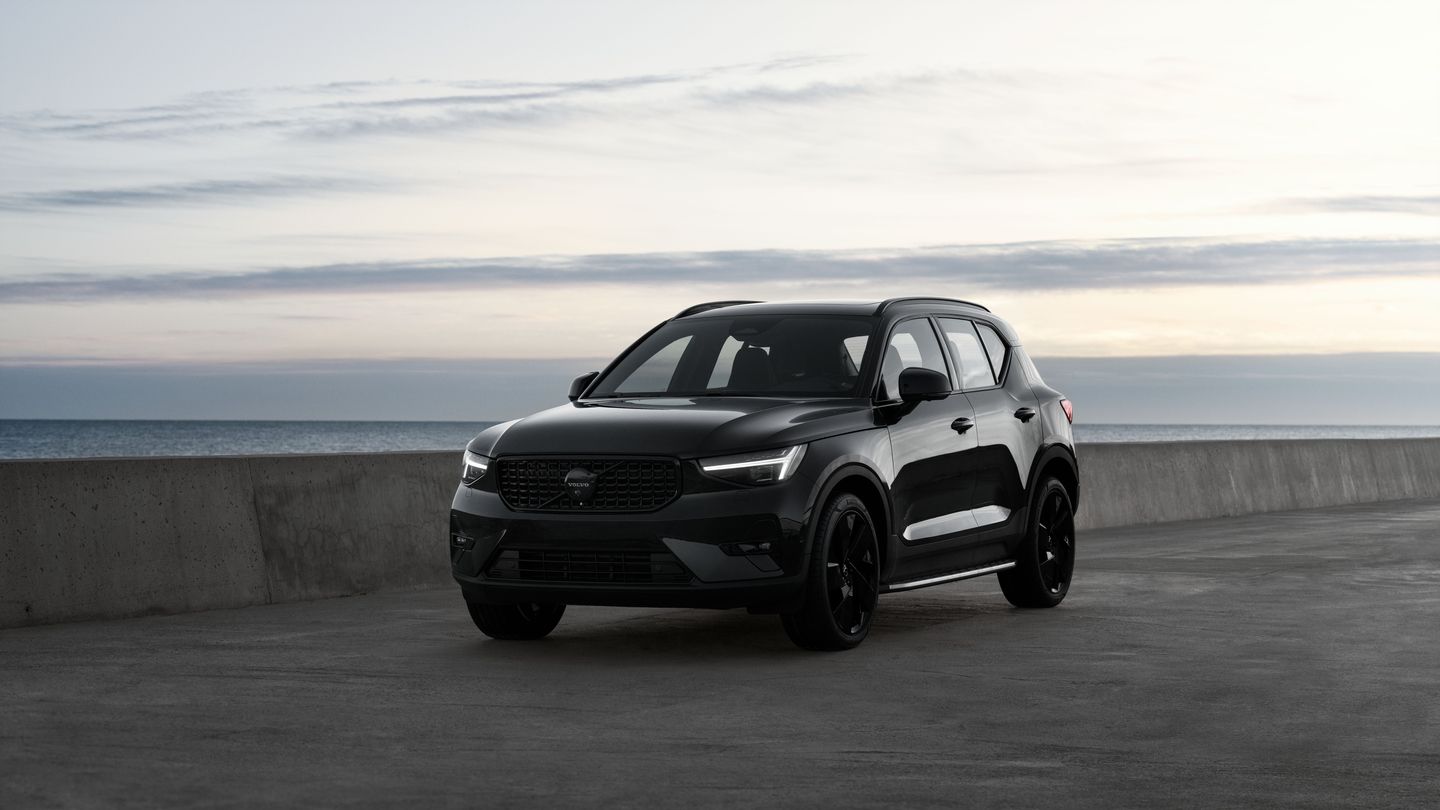
Comparing Compact Luxury SUVs This Fall With a 2026 Volvo XC40 Checklist
Fall commutes mean wet leaves, early darkness and a lot of stop-and-go. That is a good time to sort a compact luxury SUV shortlist by what you will...
Read more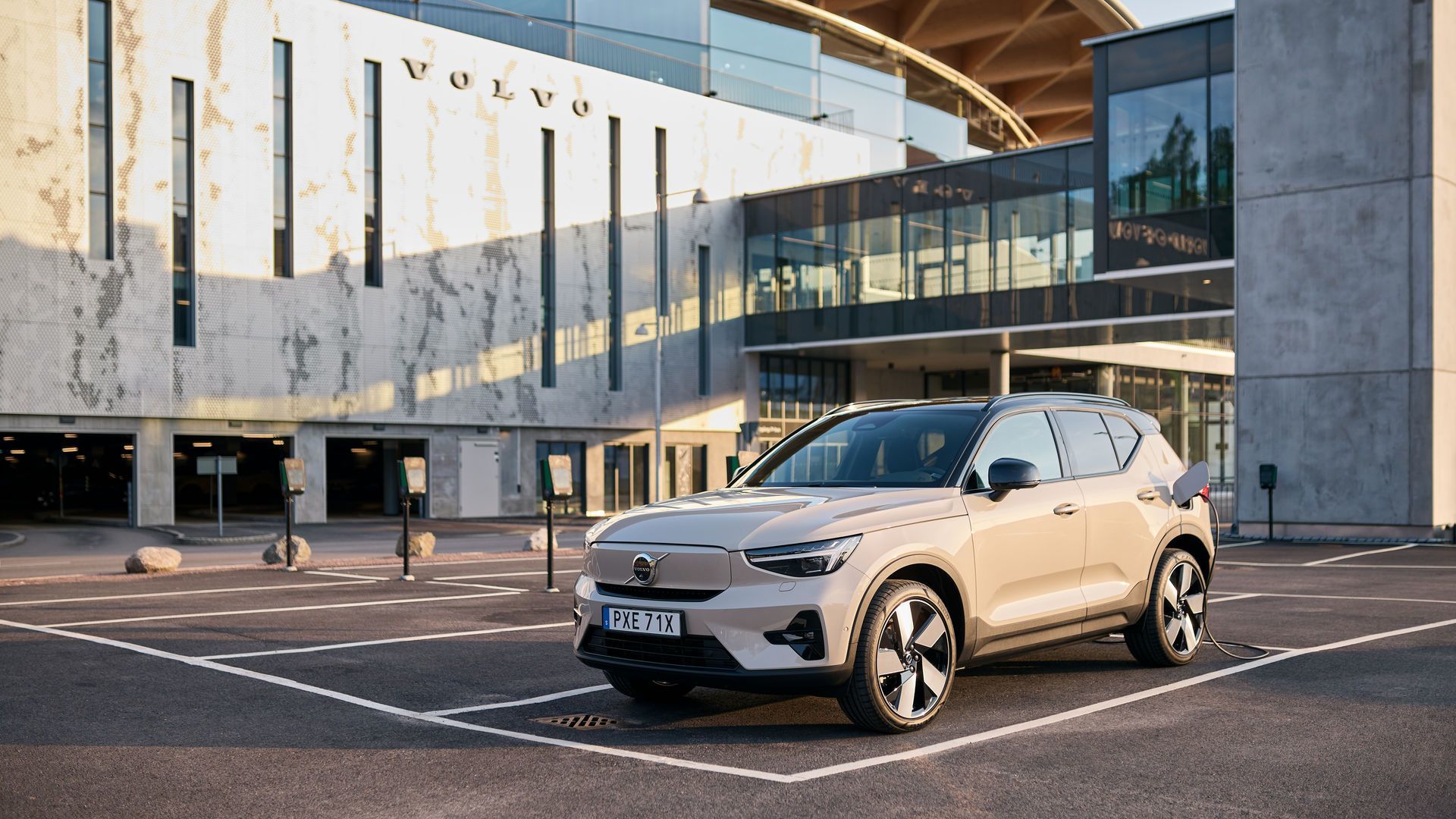
Pixel Technology Headlights for Darker Ontario Evenings in the 2026 Volvo EX40
The clocks have gone back and the commute home now starts in fading light. For Ontario drivers weighing the 2026 Volvo EX40, headlight equipment...
Read morePowered and developed by
