
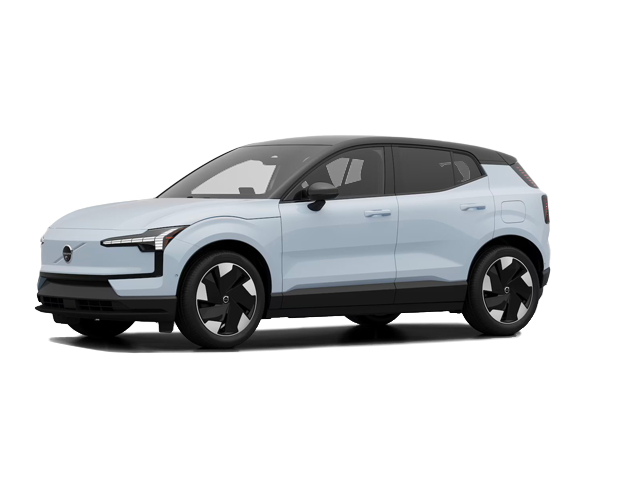
Photo for illustrative purposes only.
Find out moreVolvo Cars Toronto
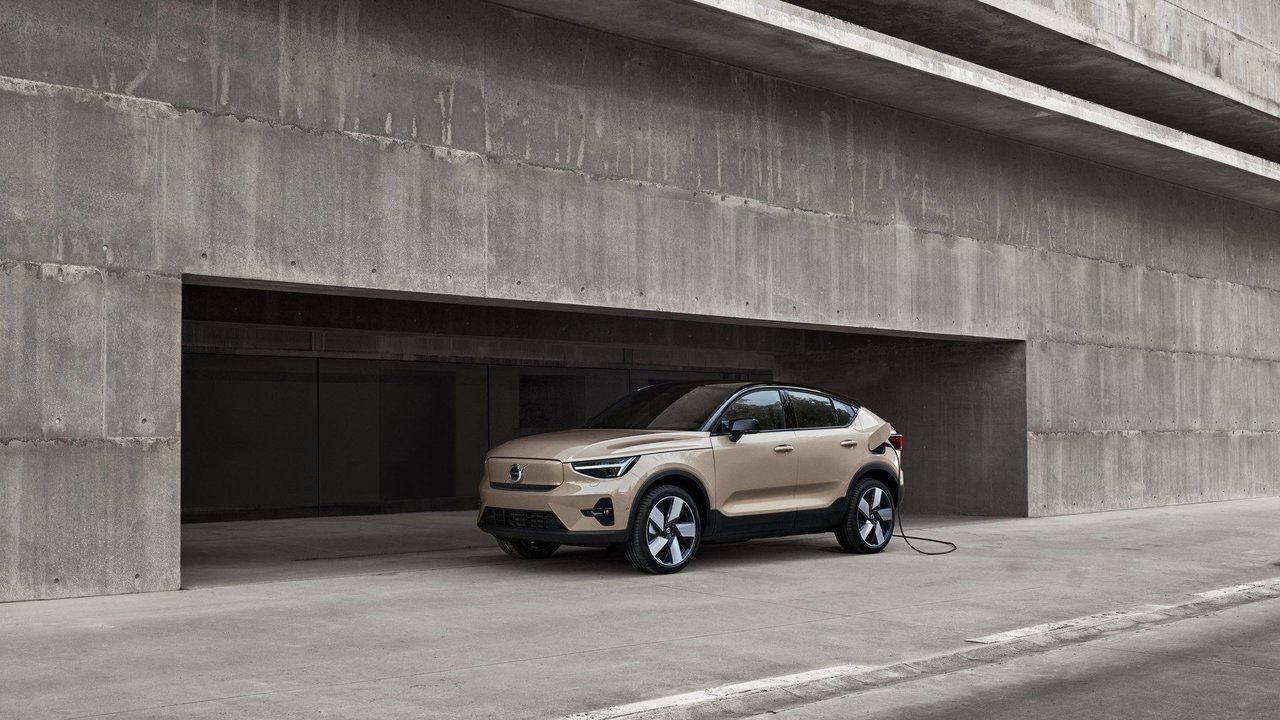
Toronto's streets tell a story about what works and what doesn't. The city's pairing of narrow downtown lanes, tight condo parking garages, and stop-and-go traffic on the Gardiner creates a specific set of demands - and compact premium SUVs are answering them.
Volvo's EX30 and XC40 have found their footing here not by accident, but by design. They deliver the refinement and safety buyers expect from the brand while fitting into the spatial and practical realities of urban Canadian life.
The appeal isn't just about size. These vehicles bring Scandinavian design philosophy to a segment that often defaults to either bland practicality or overwrought styling. The EX30 Cross Country and XC40 offer something different - minimalism that doesn't feel stripped down, capability that doesn't require a massive footprint, and technology that integrates naturally rather than demanding constant attention.
For shoppers just beginning to explore premium SUVs, understanding why these two models are gaining ground in Toronto starts with recognizing what the city actually asks of a vehicle.
The EX30 Cross Country offers Volvo's entry into the compact electric SUV space with a focus on adventure-ready design. A raised chassis provides additional ground clearance for varied terrain, while front and rear skid plates signal capability beyond typical urban crossovers.
Distinctive black exterior graphics give the EX30 Cross Country a more rugged visual presence compared to standard EX30 variants. The design reflects Scandinavian minimalism - clean lines, thoughtful material choices, and an absence of unnecessary ornamentation.
Inside, the EX30 Cross Country benefits from Volvo's new Car UX interface, which launched across the brand's lineup in early 2026. Built on the Android Automotive operating system with Google services integrated, the system reduces the number of taps required to reach commonly used functions.
Navigation, media, and phone controls now appear on the home screen, so switching between Google Maps and music playback no longer requires leaving the navigation view. The interface receives over-the-air software updates, meaning the system improves over time without requiring a service visit.
The XC40 takes a different approach to compact SUV design, offering a turbocharged gasoline powertrain for buyers who prefer internal combustion. The B5 AWD variant pairs a 2.0-litre turbocharged four-cylinder engine with an integrated starter generator, producing 147 hp and 350 lb-ft of torque.
The eight-speed automatic transmission routes power to all four wheels, and the setup delivers 0-100 km/h acceleration in 6.4 seconds - quick enough for highway merges and passing maneuvers on the 401.
Cargo capacity in the XC40 reaches 1,432 litres with the second row folded, which translates to space for weekend gear, hockey equipment, or a full grocery run for a family of four.
With the rear seats in place, the XC40 offers 569 litres - enough for daily errands and a couple of carry-on bags. The rear opening height of 733 mm and a cargo floor width of 1,004 mm between the wheel housings make loading bulky items straightforward.
Both vehicles share Volvo's focus to advanced safety technologies, though specific systems vary by model and trim. The brand's reputation for safety remains a core part of the value proposition, particularly for families and first-time premium SUV buyers who prioritize crash avoidance and occupant protection.

Toronto's parking infrastructure wasn't designed for full-size SUVs. Condo garages built in the 1990s and early 2000s feature tight turning radii, narrow stalls, and low clearances.
The XC40's 11.4-metre curb-to-curb turning circle and 4,440 mm length make it manageable in spaces where larger three-row SUVs struggle. The EX30 Cross Country, being even more compact, navigates downtown parking garages and residential side streets with minimal stress.
The raised chassis on the EX30 Cross Country addresses a specific Canadian reality - winter road conditions and unpaved cottage access routes.
The additional ground clearance and skid plates provide confidence when navigating snow-covered driveways or gravel roads leading to weekend properties north of the city. This isn't about serious off-roading; it's about handling the occasional rough surface without worrying about undercarriage damage.
Volvo's decision to integrate Google services directly into the infotainment system rather than relying solely on smartphone mirroring creates a more smooth experience.
Voice commands through Google Assistant work reliably for navigation, climate control, and media playback. The system doesn't require a phone connection to function, which matters when multiple drivers share the vehicle or when a phone battery dies mid-trip.
The XC40's fuel economy of 9.1 L/100 km combined positions it competitively for a small AWD SUV with a turbocharged engine. That figure reflects real-world driving that includes both highway stretches and urban stop-and-go traffic.
The 54-litre fuel tank provides reasonable range between fill-ups, reducing the frequency of gas station visits during a typical week of commuting and errands.
Both vehicles benefit from Volvo's design language, which prioritizes clean lines and functional aesthetics over aggressive styling. In a segment where many competitors lean toward bold grilles and exaggerated body cladding, the EX30 and XC40 offer a more restrained visual approach.
This appeals to buyers who want a premium vehicle that doesn't announce itself loudly - a common preference in Toronto's diverse automotive landscape.
Toronto's compact premium SUV market rewards vehicles that solve real problems rather than simply offering more features. The EX30 Cross Country and XC40 succeed because they address the specific constraints of urban Canadian driving - tight parking, variable road conditions, and the need for efficiency without sacrificing capability.
The EX30 brings electric driving to buyers who want adventure readiness in a small package, while the XC40 offers proven gasoline performance with Volvo's signature safety and design.
For shoppers just beginning to explore premium SUVs, these two models offer different paths to the same destination: a vehicle that fits Toronto's lifestyle without compromise.
The choice between electric and gasoline, between the EX30's minimalist adventure focus and the XC40's established versatility, depends on individual priorities. Both deliver the Scandinavian design philosophy and advanced technology that define Volvo's current direction.
Explore the EX30 Cross Country and XC40 lineup at Volvo Cars Toronto to see how these compact SUVs fit your driving needs and parking realities.
Photo for illustrative purposes only.
Find out more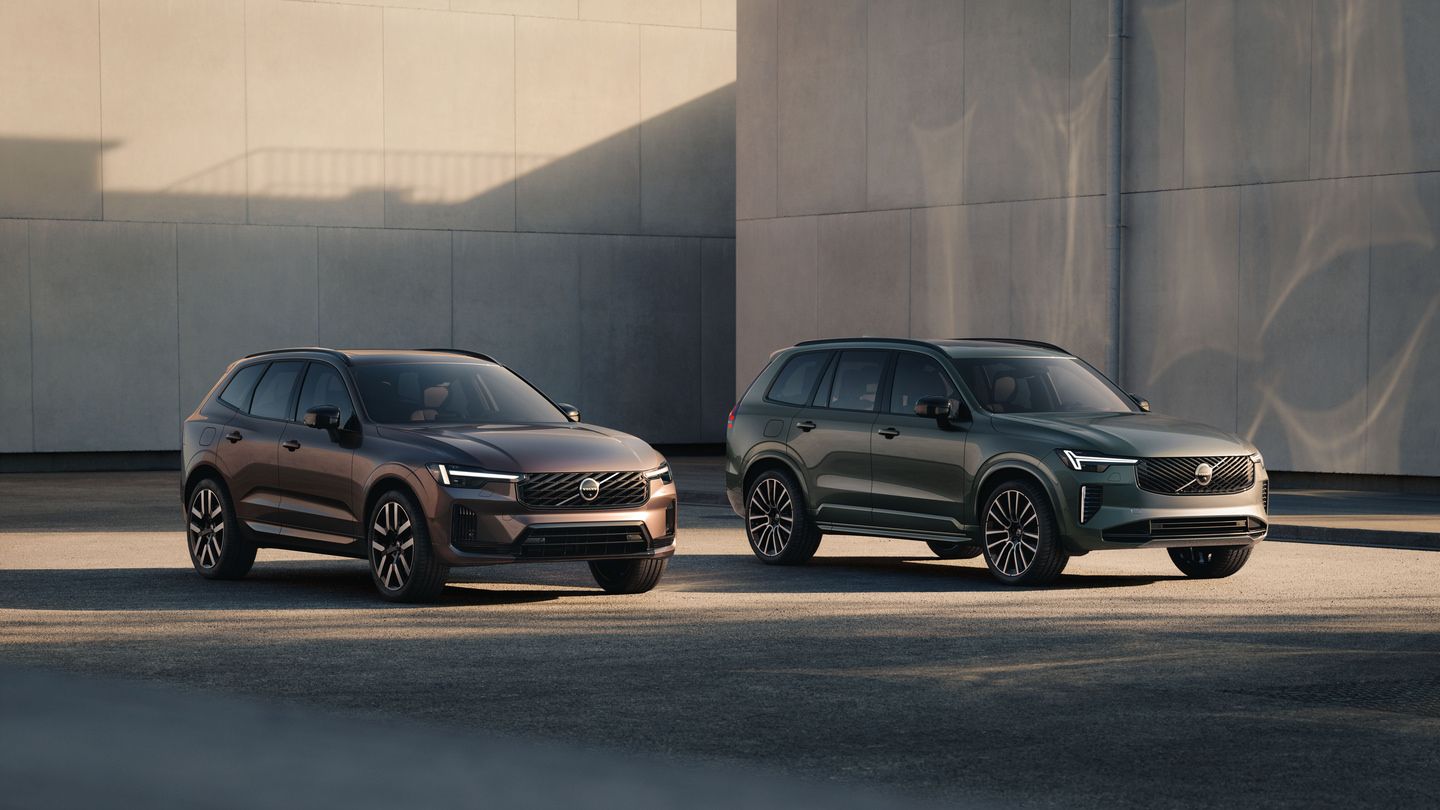
2028 Volvo XC60 and XC90: Big News for Volvo’s Two Best-Selling SUVs, Explained
School runs, daily commutes and weekend drives: that is the mileage Volvo has in mind for its 2028 XC60 and XC90 plug-in hybrids. Both SUVs gain a...
Read more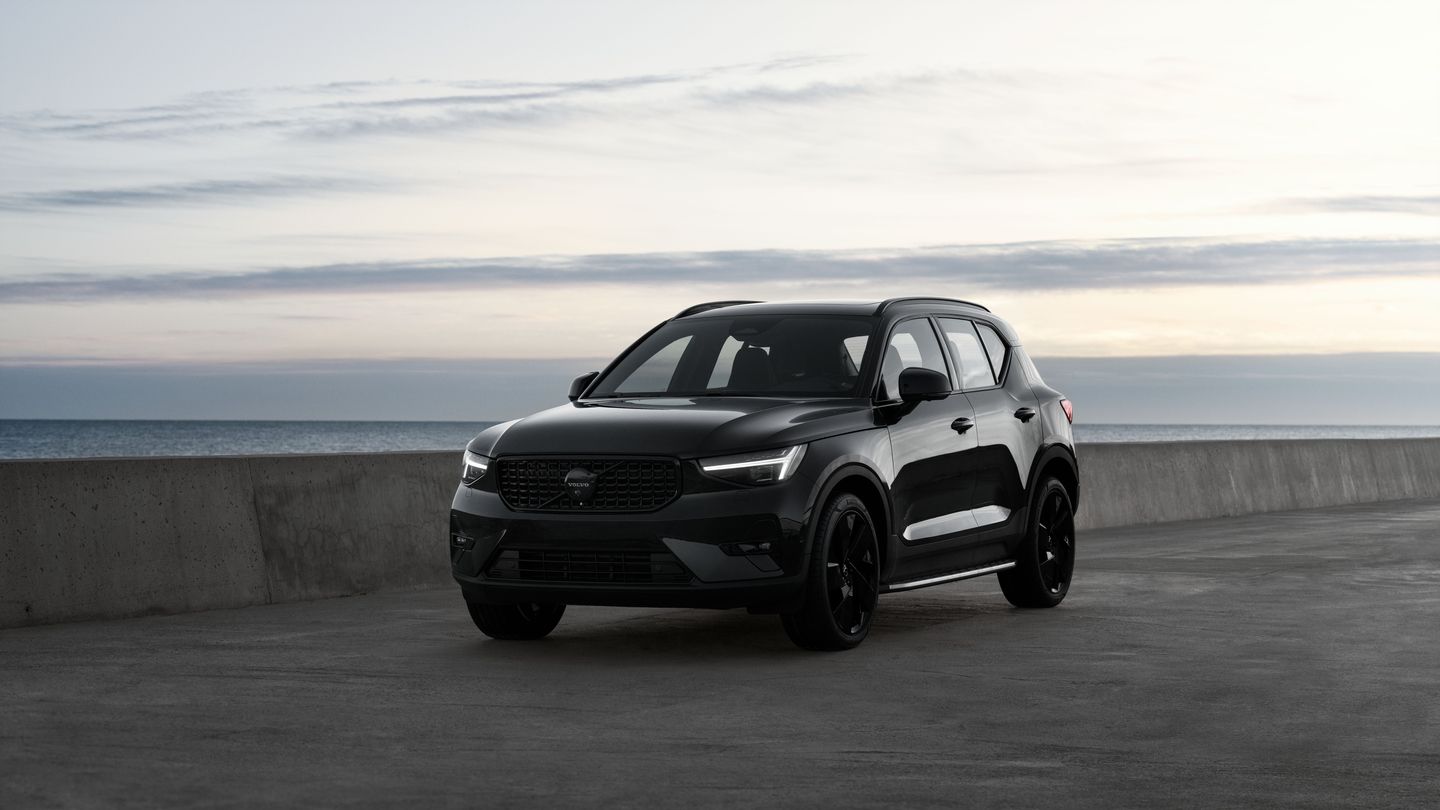
Comparing Compact Luxury SUVs This Fall With a 2026 Volvo XC40 Checklist
Fall commutes mean wet leaves, early darkness and a lot of stop-and-go. That is a good time to sort a compact luxury SUV shortlist by what you will...
Read more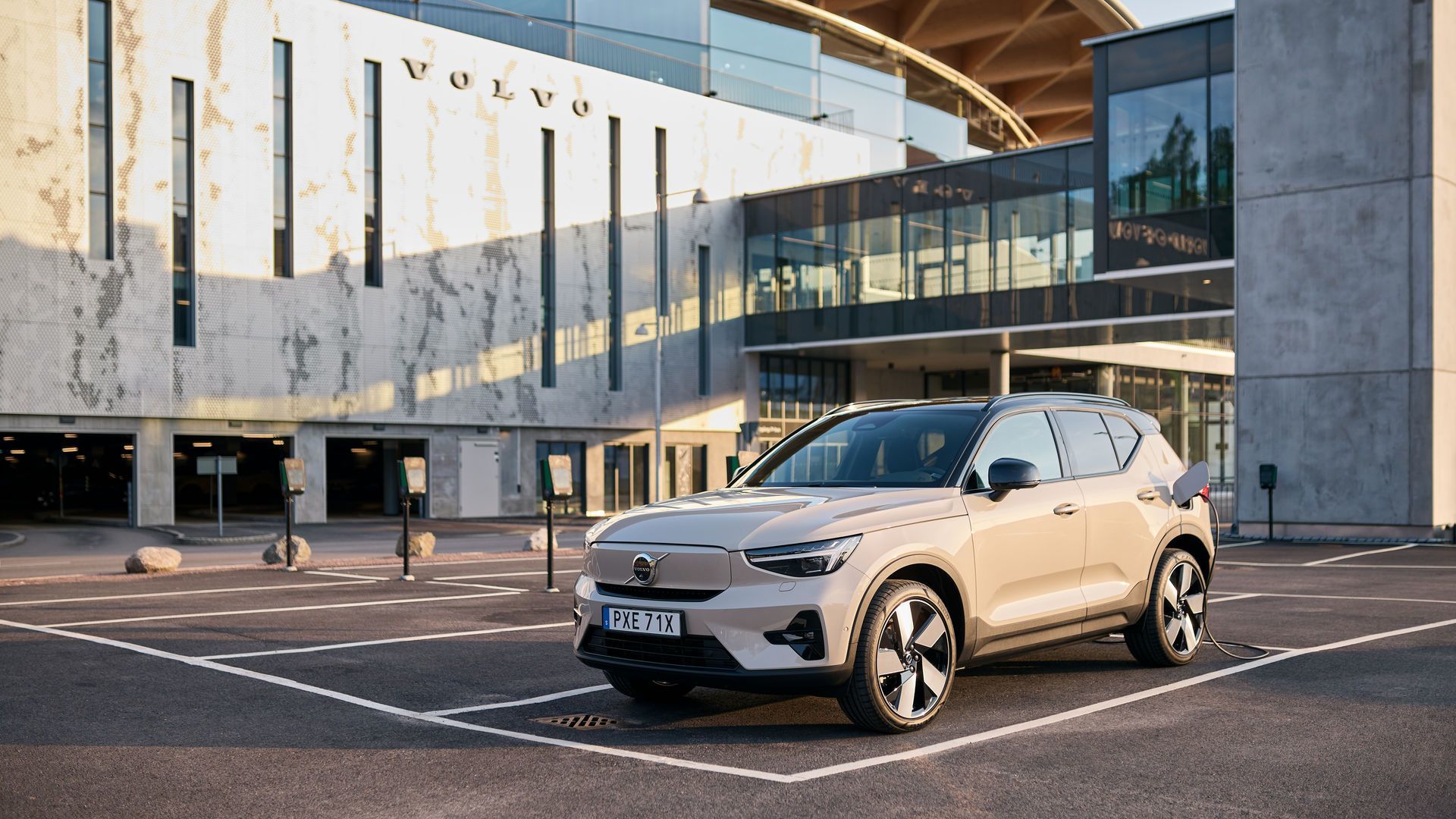
Pixel Technology Headlights for Darker Ontario Evenings in the 2026 Volvo EX40
The clocks have gone back and the commute home now starts in fading light. For Ontario drivers weighing the 2026 Volvo EX40, headlight equipment...
Read morePowered and developed by
