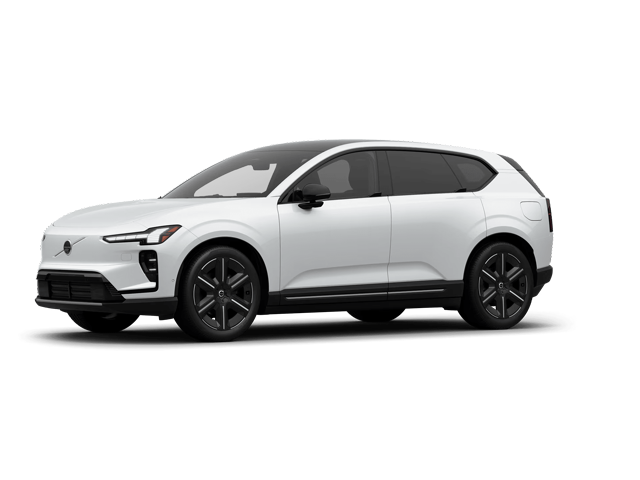
Photo for illustrative purposes only.
Find out moreVolvo Cars Toronto

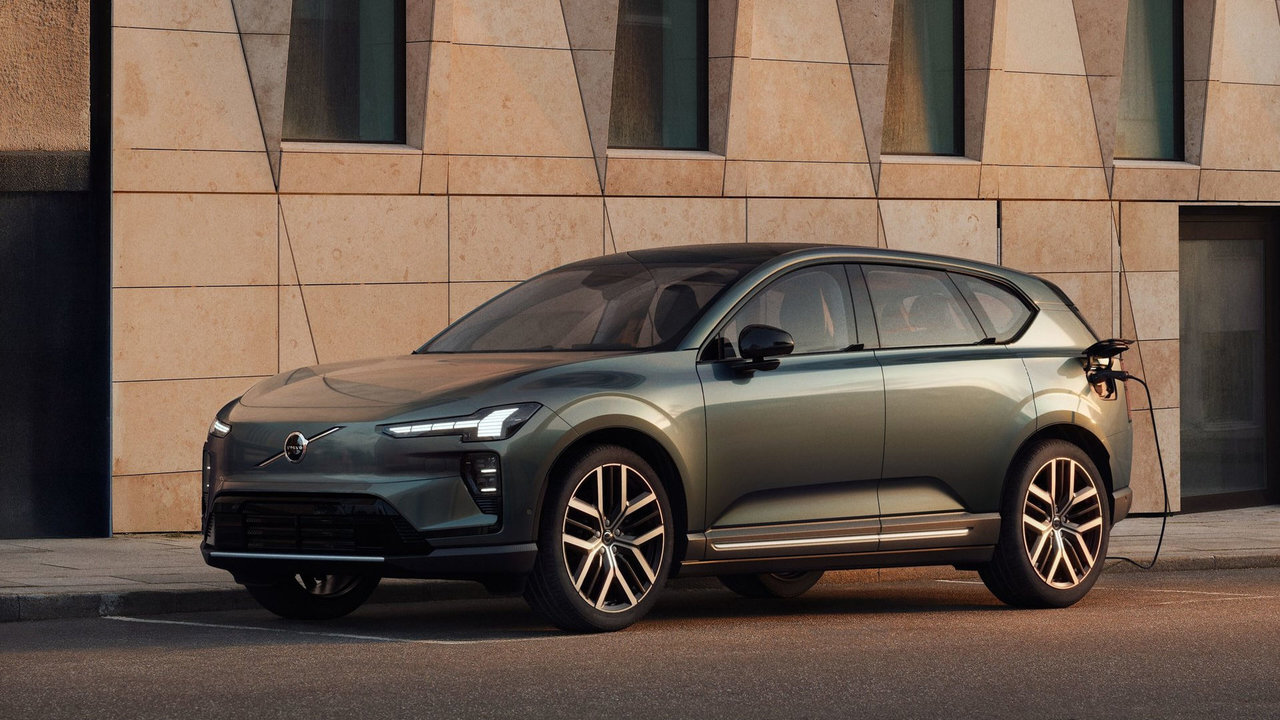
Charging an EV shouldn’t feel like carrying a bag of adapters. If you’re weighing the 2027 Volvo EX60, one detail matters more than it might seem: the port itself.
The EX60 is Volvo’s first vehicle with a native North American Charging Standard (NACS) port, and that single change reshapes how Ontario owners plug in, on both short errands and long highway runs.
NACS is the charging plug standard developed by Tesla and now adopted across much of the North American charging network. Instead of relying on a CCS connector plus an adapter to reach Tesla hardware, the EX60’s port is built for NACS from the factory.
That means the charge cable at a Tesla Supercharger plugs directly into the EX60. No dongle, no extra step, no separate purchase to keep in the glovebox.
The EX60 rides on Volvo’s new SPA3 platform with an 800-volt electrical system, and the P10 AWD variant supports DC fast charging up to 400 kW. Paired with the native NACS port, that lets the EX60 draw power at Supercharger stalls without a middleman connector.
Fewer adapters means fewer failure points. Public charging already involves enough variables, station uptime, connector wear, weather, and removing one more piece of hardware simplifies the routine.
It’s worth separating two ideas that get blended together: charger access and charger speed. NACS compatibility means the EX60 can physically connect at a Supercharger. What speed it actually achieves at that stall still depends on the station’s hardware, how many vehicles are charging alongside it, and the battery’s own state at the time.
Most EV charging still happens at home overnight, and that habit doesn’t change with a new port. What changes is the backup plan. Supercharger access adds a dense, established network to sit alongside home charging, public fast charging, and destination charging at hotels or shopping centres.
Each of those serves a different purpose. Overnight charging handles daily commuting. Fast charging covers a top-up mid-errand. Destination charging fills in while you’re parked somewhere for hours. Supercharger access becomes the option for the longer trip, when you need a reliable stop with minimal detour.
Route planning still matters. Native NACS access can simplify a long drive across Ontario or into the United States, but a trip’s success still comes down to the route chosen, which stations sit along it, and whether those stations have open stalls when you arrive. A wider compatible network doesn’t remove the need to check ahead.
Commuters who charge at home most nights may barely think about this feature day to day. The bigger payoff shows up for weekend travellers heading north out of the city, and for families planning a longer drive where a dependable charging stop matters as much as the destination itself.
Anyone who has previously juggled adapters for different networks will also notice the change immediately. One port, one cable type at most Supercharger locations, one less thing to plan around before leaving the driveway.

The EX60 pairs its hardware with connected features built to reduce charging guesswork. Route planning tools, Range Assistant, and Volvo’s connected safety and assistance services are standard across the lineup, and they’re designed to help identify charging stops and manage a session before you arrive at the plug.
Over-the-air updates mean this software layer can keep improving after delivery, which matters for something as fast-moving as public charging networks and their station rosters.
What does NACS mean for EX60 owners? It means the EX60’s charging port matches the Tesla Supercharger connector shape directly. Drivers plug in without an adapter at Supercharger stations, simplifying a stop that used to require extra hardware on other EVs.
Will I still need an adapter anywhere? Some public charging networks in Ontario use CCS connectors rather than NACS. Whether an adapter is needed at a given station depends on that station’s hardware, so it’s worth confirming compatibility for networks outside the Supercharger system before a trip.
How is Supercharger access different from other charging networks? Supercharger stations are widespread and generally consistent in hardware, which is part of why adapter-free access to them is useful. Other public networks vary more in connector type, speed, and reliability from one location to the next.
Does the NACS port guarantee a fast charge every time? No. The port determines whether the EX60 can connect at a given stall, not the speed it will achieve there. Charging speed still depends on the specific charger’s output, how many vehicles are sharing power at that site, and the battery’s condition and temperature at the time.
What should I check before relying on Superchargers for regular travel? Confirm current station locations and stall availability along your planned route, and check the Volvo Cars app or in-car tools for charging readiness before departure. Compatibility, station status, and route conditions can all shift, so a quick check beforehand avoids surprises.
A native NACS port turns Supercharger access from a workaround into a built-in option, giving EX60 drivers one more dependable way to charge alongside home and public fast charging. It’s a usability change, not a performance one, but it shows up every time you plan a longer drive.
Visit Volvo Cars Toronto to confirm EX60 charging compatibility, ordering details, and what to expect for deliveries in Ontario. Our team can walk through the specifics before you commit to a configuration.
Photo for illustrative purposes only.
Find out more
How Far the 2026 Volvo XC60 T8 Drives on Electric Before Switching to Gas
Most commutes are shorter than drivers think, and that gap between how far you actually drive and how far you assume you drive is exactly where a...
Read more
How Standard AWD Helps the 2026 Volvo XC40 on Wet Fall Roads
Fall driving in Ontario means wet pavement, wet leaves, and mornings where the road grip you had yesterday just isn’t there today. The 2026 Volvo...
Read more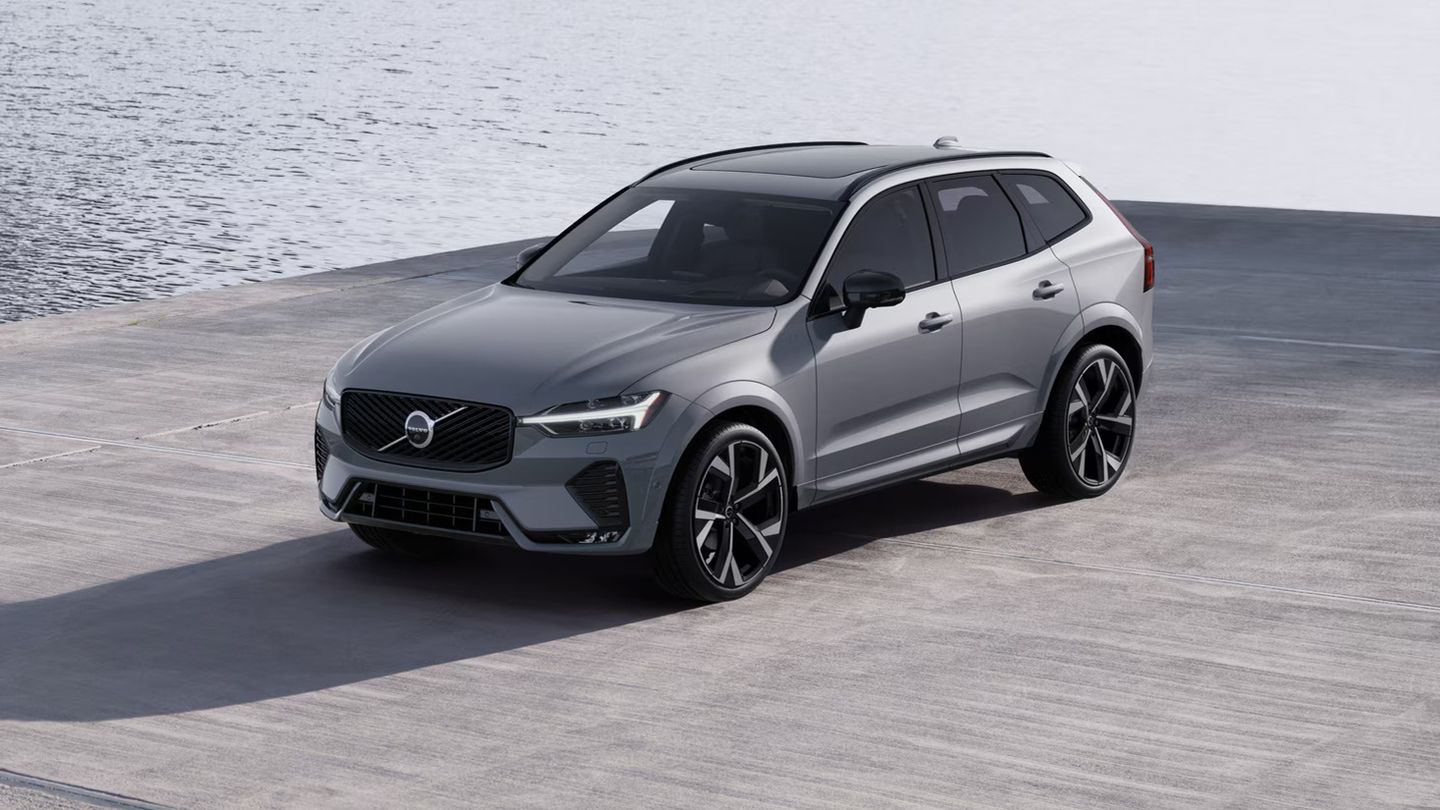
What Changes in the 2026 Volvo XC60 Polestar Engineered
If you’re cross-shopping performance SUVs in Ontario, the 2026 XC60 Polestar Engineered deserves a closer look. It’s the sportiest way into Volvo’s...
Read morePowered and developed by
