
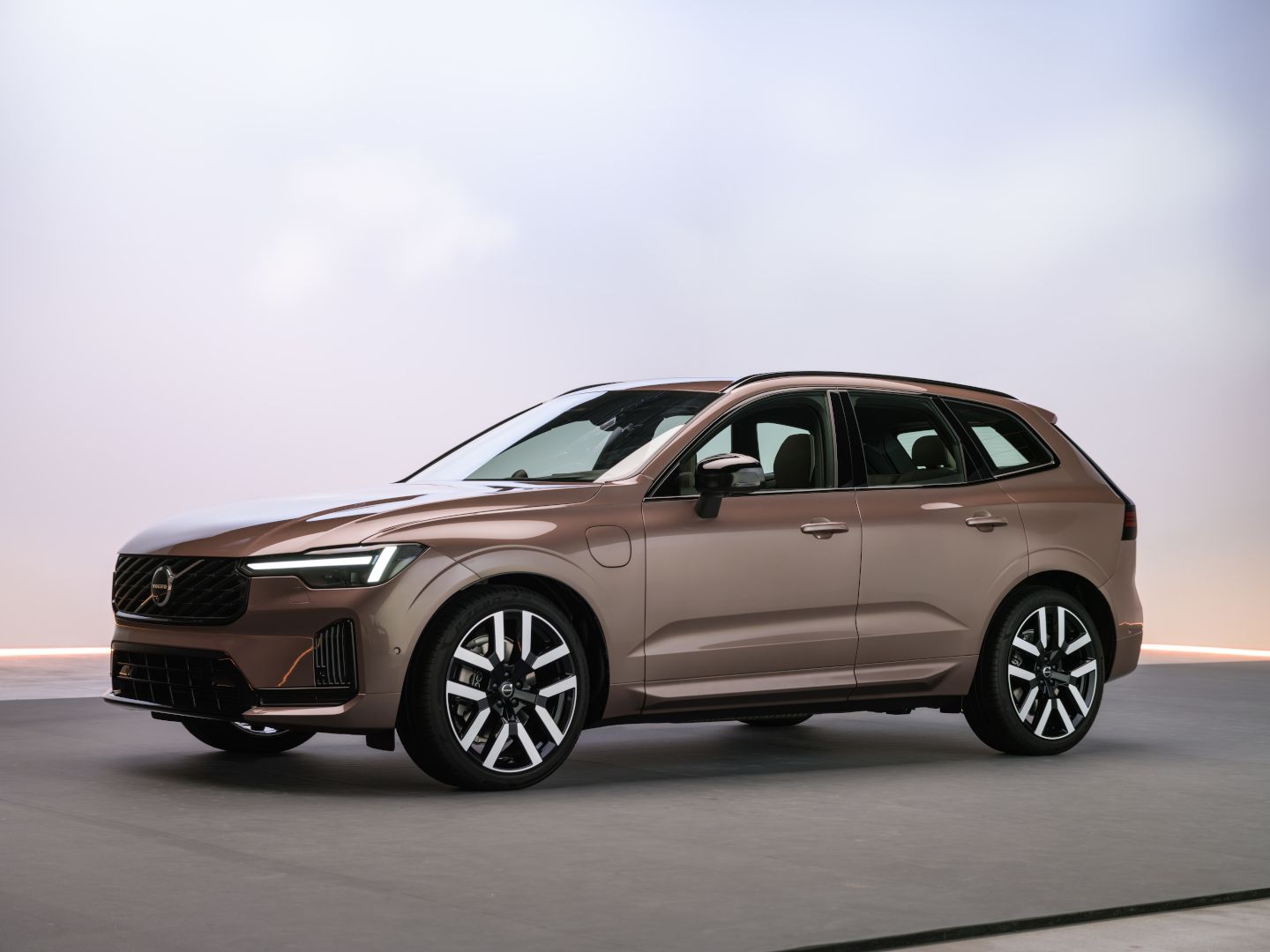
Redesigned Inside and Out: What the 2028 Volvo XC60 Brings
The XC60 is Volvo’s best-selling model of all time, so any change to it gets noticed. For 2028, Volvo is giving its mid-size SUV a comprehensive...
Read moreVolvo Cars Toronto
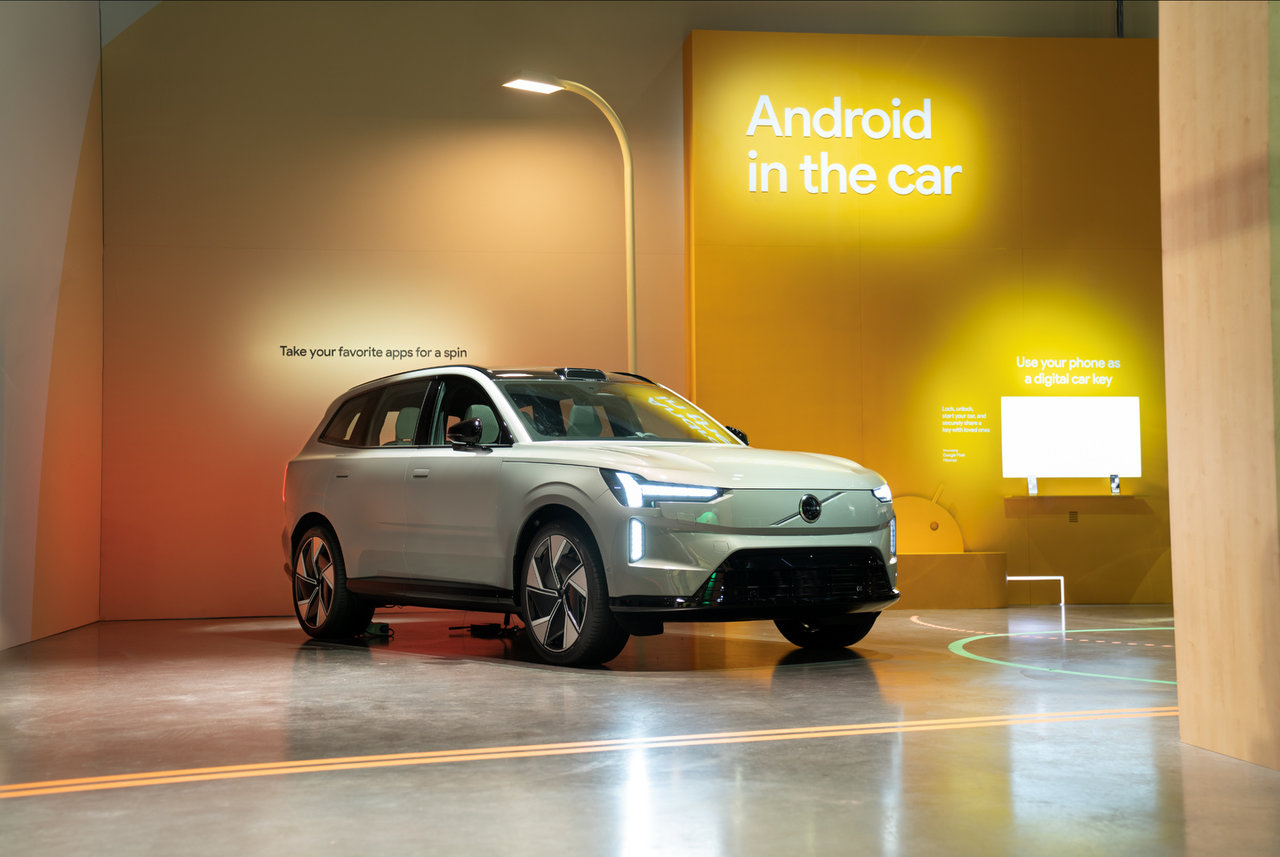
The Volvo EX90 features a suite of high-precision lidar, radar, and camera sensors that can detect and measure both nearby areas and those farther away. In addition to giving drivers a comprehensive understanding of their environment when driving, this advanced technology is augmented by Google's HD Maps – a breakthrough mapping system offering detailed maps of distant roads.
This partnership between Volvo Cars and Google helps create an extra layer of safety while they continue to work on creating autonomous cars. With the introduction of the Volvo EX90, Volvo Cars is setting a new standard in the automotive industry towards safer and smarter driving solutions.
“The addition of Google HD Maps in our future car line-up marks an expansion of our strategic collaboration with Google, reflecting our commitment to work with technology leaders,” says COO and Deputy CEO Javier Varela. “Implementing Google HD Maps in our upcoming cars will help us offer our drivers a more enjoyable driving experience and in future contribute to the introduction of safe autonomous driving.”
By integrating Google's HD map, Volvo is able to create an enhanced driving experience for their customers. By combining the industry-leading sensor set in the Volvo EX90 with Google's precise lane-level and localization data, semi-autonomous features like lane change assistance and Volvo Cars' Pilot Assist technology can be fully utilized. With lane markers, signs, and other objects that are identified by HD Map, car manufacturers such as Volvo will have the ability to offer L2+ and L3 assisted driving with increased safety on select roadways.
This data is then further processed through NVIDIA DRIVE AI Platforms Xavier and Orin, which takes into account information from the car's exterior sensors, lidar from Luminar, along with software developed by Zenseact. By leveraging this powerful combination of resources, drivers can rest assured knowing they will have a reliable and secure driving experience every time they take to the roads behind the wheel of a Volvo vehicle.
“Building on our long history of mapping the world, Google’s new HD map is designed specifically for automakers and provides comprehensive lane-level and localization data that is crucial to powering the next generation of assisted and autonomous driving systems,” says Jorgen Behrens, VP and General Manager of Geo Automotive, Google. “We’re excited to continue partnering with leading automakers like Volvo to improve the safety and comfort of drivers everywhere.”
The introduction of Google HD Maps to the Volvo EX90 is a major step forward in creating safer and smarter driving solutions. By combining this powerful mapping system with their already industry-leading sensor set, drivers can now enjoy an enhanced experience on the roads with increased safety and security every time they get behind the wheel.
This collaboration between two tech giants is yet another example of how technology is revolutionizing our lives for the better - allowing us to be able to drive more confidently than ever before. With this partnership, both companies are paving a path towards full autonomy that will no doubt shape the future of transportation as we know it.
Redesigned Inside and Out: What the 2028 Volvo XC60 Brings
The XC60 is Volvo’s best-selling model of all time, so any change to it gets noticed. For 2028, Volvo is giving its mid-size SUV a comprehensive...
Read more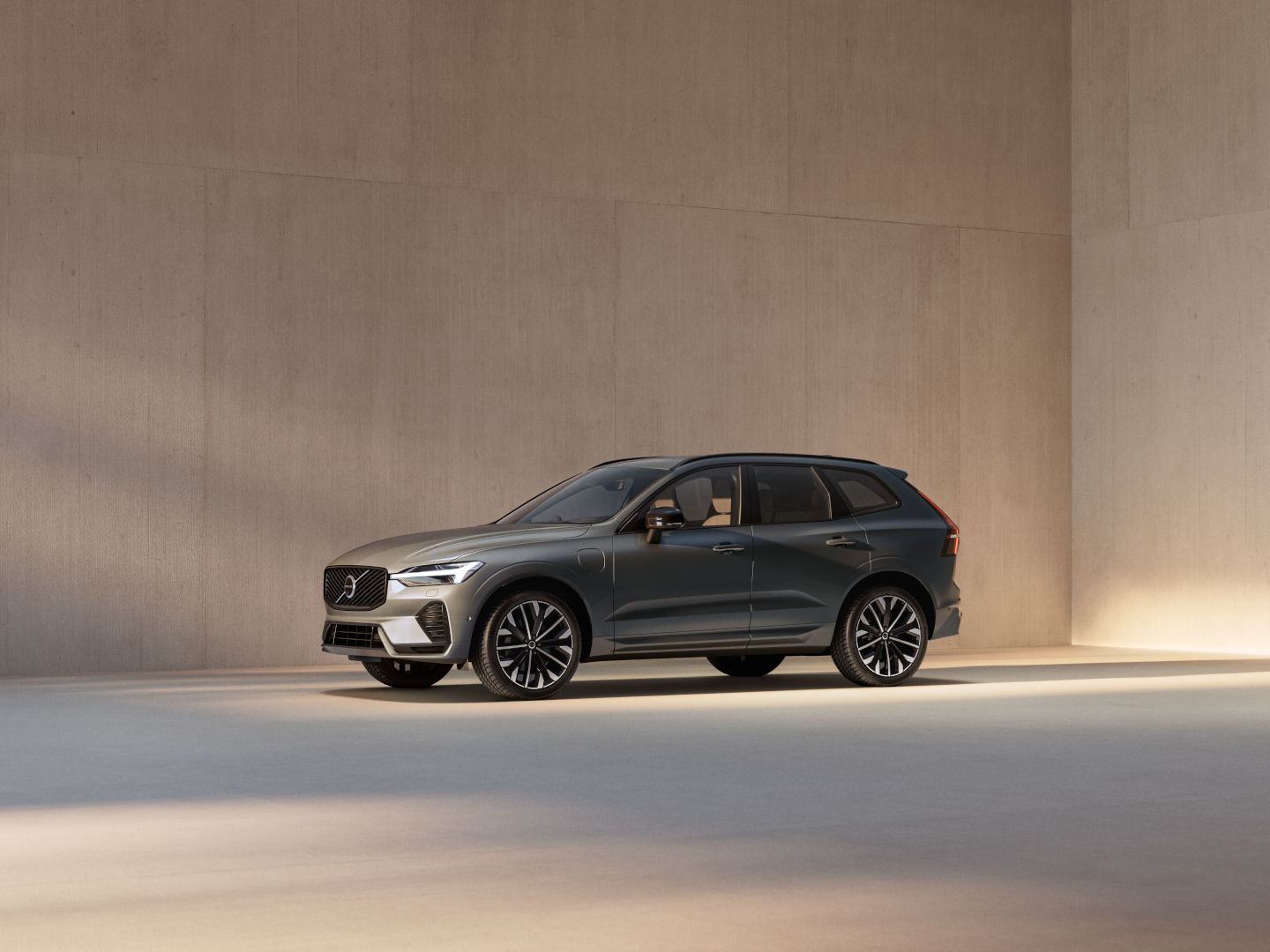
Nearly 3,500 lb of Towing Capacity on Every 2026 Volvo XC60 Powertrain
Pick any 2026 Volvo XC60 and you get the same towing rating: 3,483 lbs (1,580 kg) with a braked trailer. The B5 AWD mild hybrid, the T8 AWD plug-in...
Read more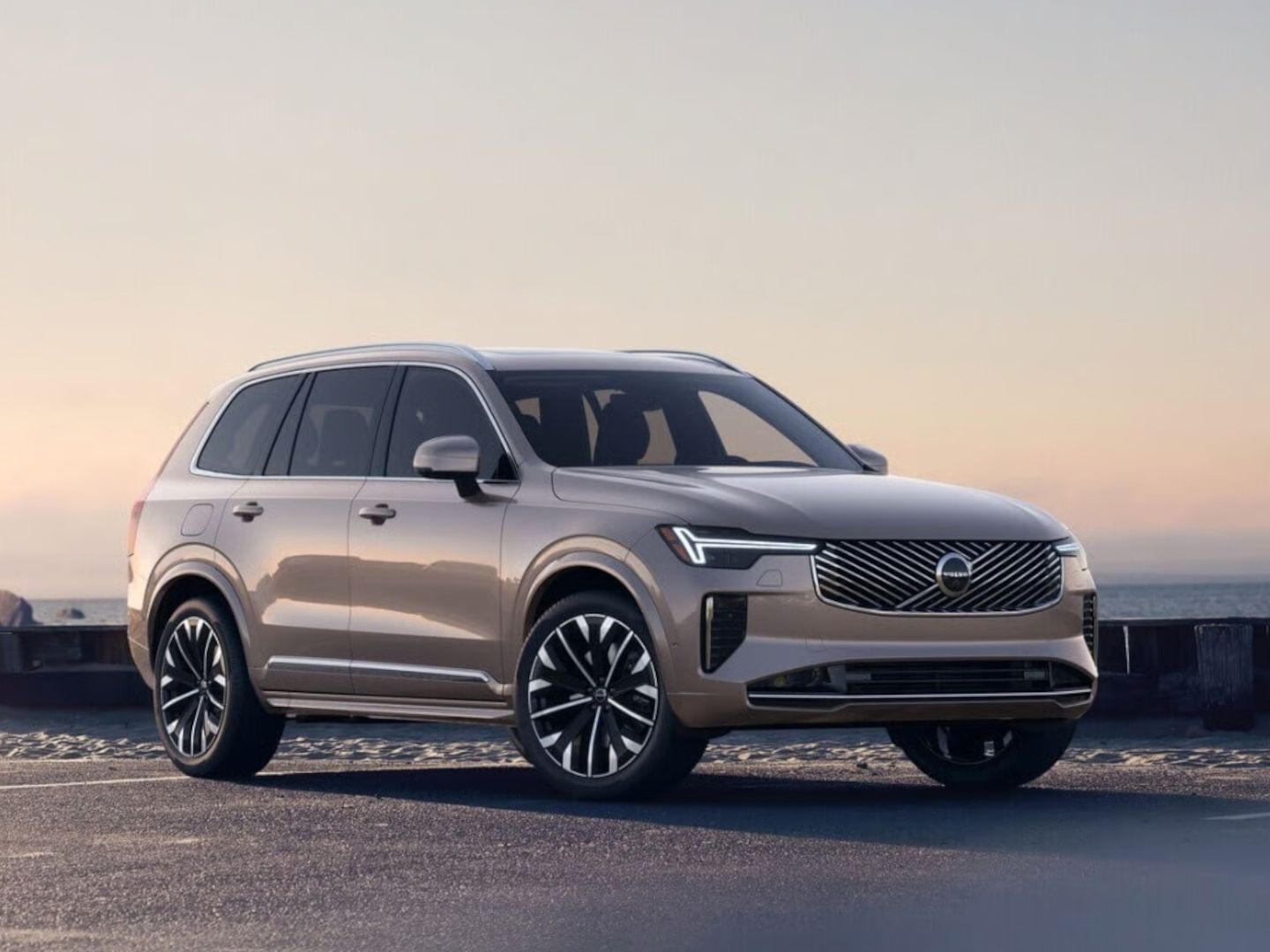
Long-Range Plug-In or Mild Hybrid: Choosing Your 2028 Volvo XC90
The 2028 Volvo XC90 will give seven-seat families two clear ways to go. The new long-range plug-in hybrid will cover up to 117 km on electricity...
Read morePowered and developed by
