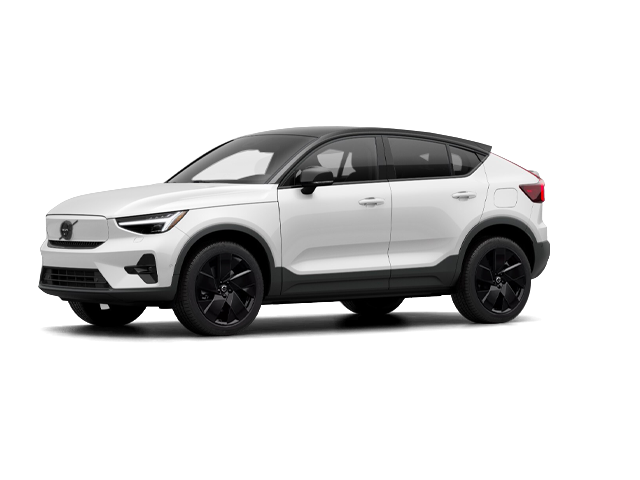
Photo for illustrative purposes only.
Find out moreVolvo Cars Toronto

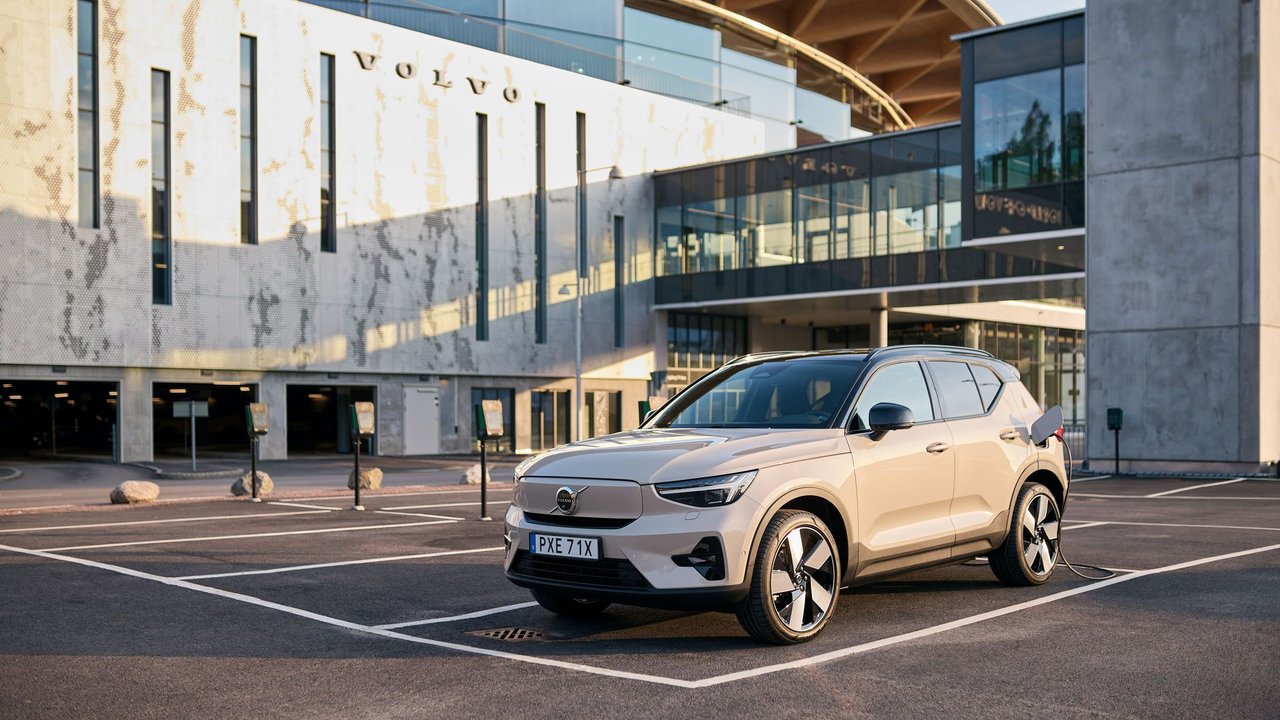
Urban driving in Ontario presents unique challenges when navigating busy streets shared with cyclists, pedestrians, and other vulnerable road users. Volvo has developed a comprehensive suite of safety technologies specifically designed to prevent accidents in these complex environments.
The 2026 Volvo XC60 exemplifies this focus with advanced detection systems and active intervention features that work continuously to protect everyone sharing the road. From automatic braking when a collision is imminent to monitoring blind spots for approaching cyclists, these technologies transform how drivers interact with their urban surroundings.
The City Safety system serves as the foundation of Volvo's pedestrian and cyclist protection strategy. This technology monitors the road ahead continuously, scanning for potential collision scenarios involving vulnerable road users. When the system detects a pedestrian or cyclist in the vehicle's path, it provides visual and audible warnings to alert the driver.
If the driver does not respond in time, City Safety can automatically apply full braking force to avoid or mitigate the collision. This intervention operates under real-world urban conditions, accounting for the unpredictable movements common in city environments.
BLIS continuously monitors the areas alongside and behind the vehicle that fall outside the driver's direct line of sight. When a cyclist or pedestrian enters these blind zones, the system provides visual alerts in the side mirrors. The Cross Traffic Alert function extends this protection when reversing, warning drivers of approaching cyclists or pedestrians crossing behind the vehicle.
This technology proves particularly valuable in urban parking situations and when changing lanes in traffic, where cyclists may be difficult to spot through conventional mirror checks.
These systems work together to prevent unintentional lane departures that could endanger cyclists riding in bike lanes or along the road edge. Lane Keeping Aid provides gentle steering corrections to keep the vehicle centred in its lane, while Oncoming Lane Mitigation can apply steering assistance and braking if the vehicle drifts toward the path of an oncoming cyclist or vehicle.
Both systems operate through camera technology that reads road markings and monitors the vehicle's position within the lane.
Urban parking often requires manoeuvring in tight spaces where pedestrians and cyclists may be present. The 360° camera system provides a complete view around the vehicle, displaying multiple angles on the centre screen to help drivers spot vulnerable road users who may be in close proximity.
Park Assist complements this technology by providing proximity sensors during parking manoeuvres, reducing the risk of low-speed collisions with pedestrians or cyclists in parking areas.

This system monitors traffic approaching from behind and can detect when a rear-end collision is imminent. If the system identifies a potential impact, it can activate the brake lights to warn the approaching vehicle and prepare the vehicle's safety systems. This feature provides additional protection in stop-and-go urban traffic where rear-end collisions are common.
The 2026 XC60 features a full airbag suite designed to protect occupants in the event a collision occurs despite the active safety systems. This includes:
These passive safety features work in conjunction with the vehicle's rigid safety cage to minimise injury risk across a range of collision scenarios.
While primarily designed for highway driving, Pilot Assist provides steering and speed assistance that can reduce driver fatigue during urban commutes. The adaptive cruise control function maintains a set following distance from vehicles ahead, automatically adjusting speed in stop-and-go traffic. This reduces the cognitive load on drivers, allowing them to focus more attention on monitoring for cyclists and pedestrians.
The Road Sign Information system uses cameras to read traffic signs and display them on the instrument cluster. This includes speed limit changes, no-entry signs, and other critical information that helps drivers maintain compliance with traffic regulations designed to protect vulnerable road users in urban zones.
Families travelling in urban environments benefit from ISOFIX anchors that provide secure mounting points for child safety seats. This standardised system ensures proper installation, protecting the youngest passengers during city driving.
The 2026 Volvo XC60 demonstrates how advanced safety technology can address the specific challenges of urban driving in Ontario. These systems work continuously to protect cyclists, pedestrians, and other vulnerable road users who share our streets.
Photo for illustrative purposes only.
Find out more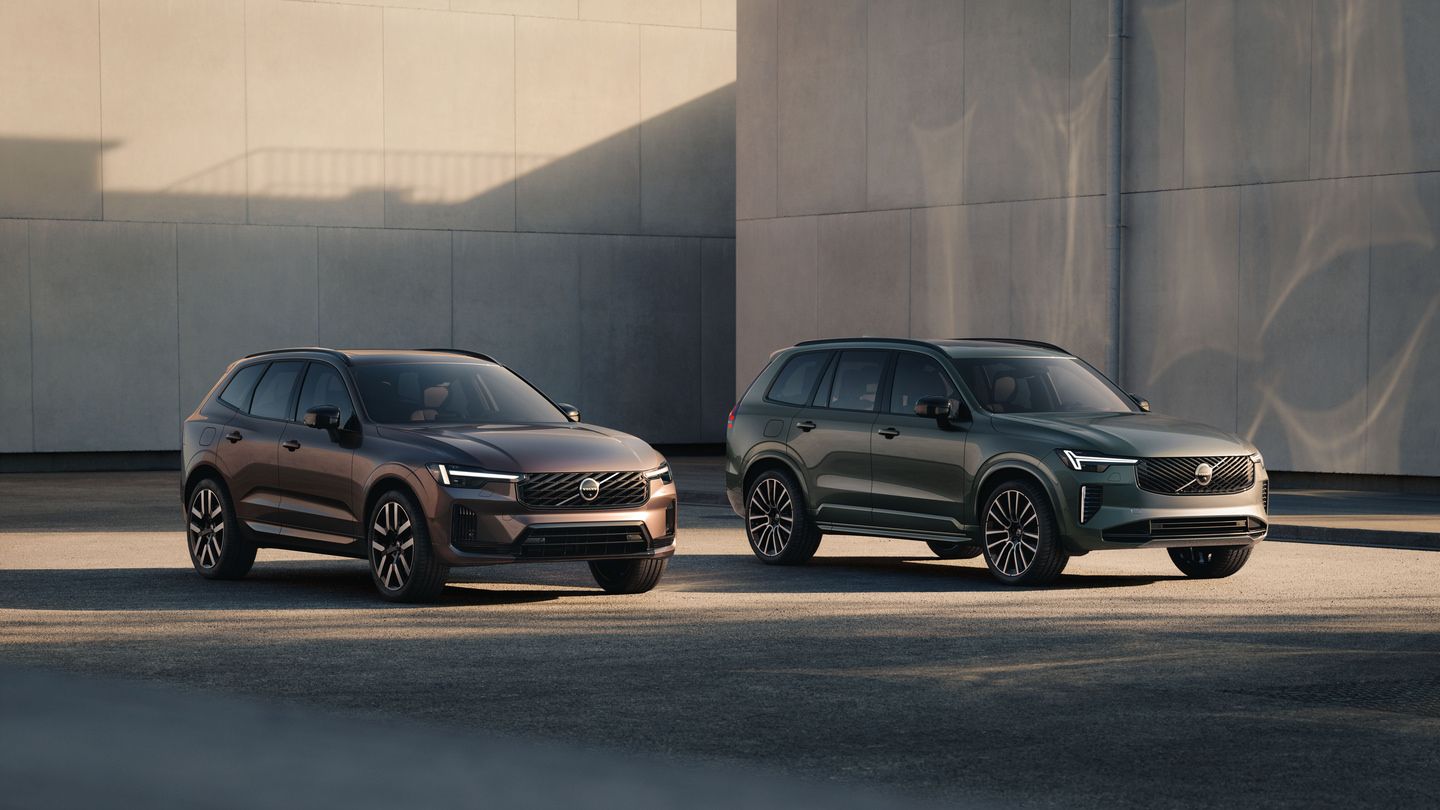
2028 Volvo XC60 and XC90: Big News for Volvo’s Two Best-Selling SUVs, Explained
School runs, daily commutes and weekend drives: that is the mileage Volvo has in mind for its 2028 XC60 and XC90 plug-in hybrids. Both SUVs gain a...
Read more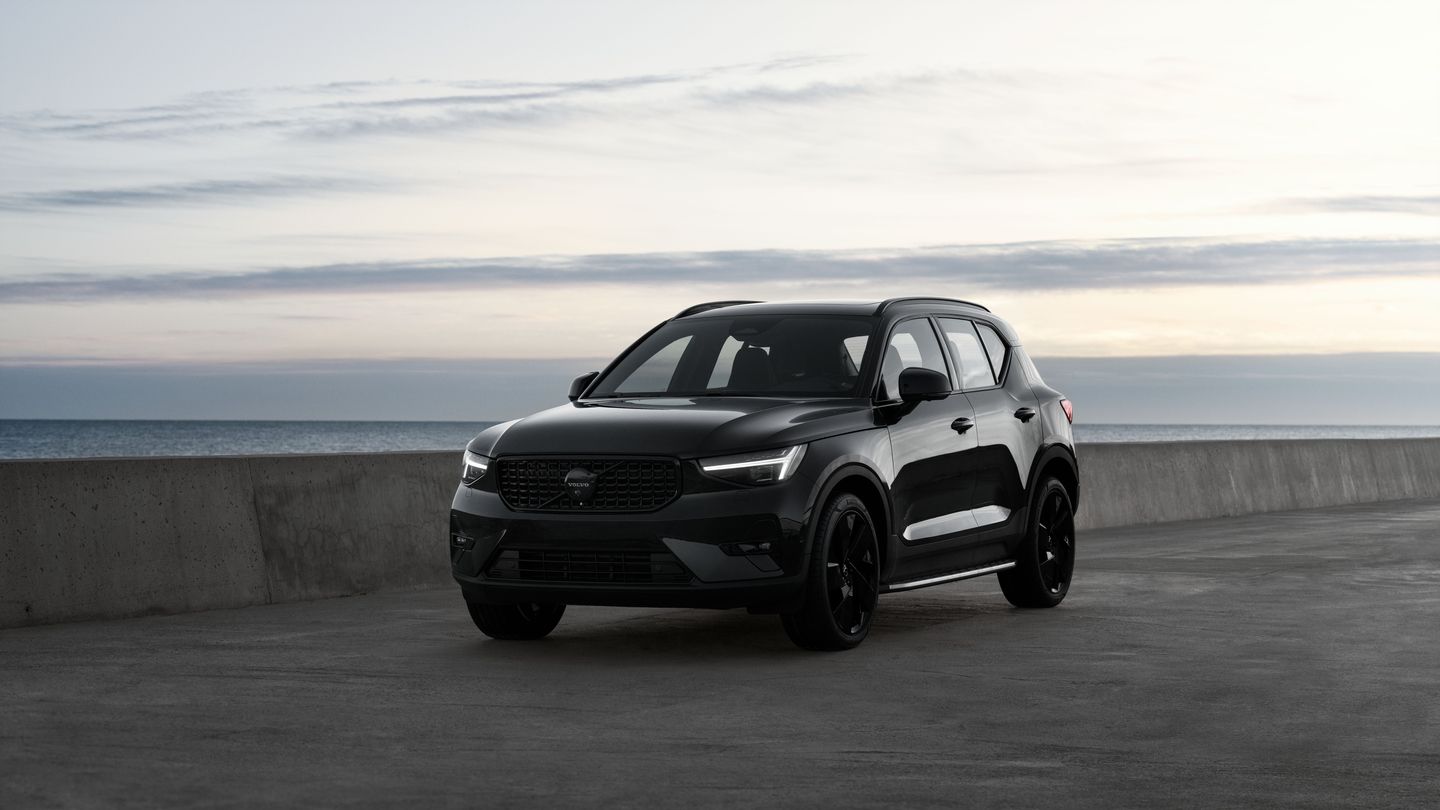
Comparing Compact Luxury SUVs This Fall With a 2026 Volvo XC40 Checklist
Fall commutes mean wet leaves, early darkness and a lot of stop-and-go. That is a good time to sort a compact luxury SUV shortlist by what you will...
Read more
Pixel Technology Headlights for Darker Ontario Evenings in the 2026 Volvo EX40
The clocks have gone back and the commute home now starts in fading light. For Ontario drivers weighing the 2026 Volvo EX40, headlight equipment...
Read morePowered and developed by
