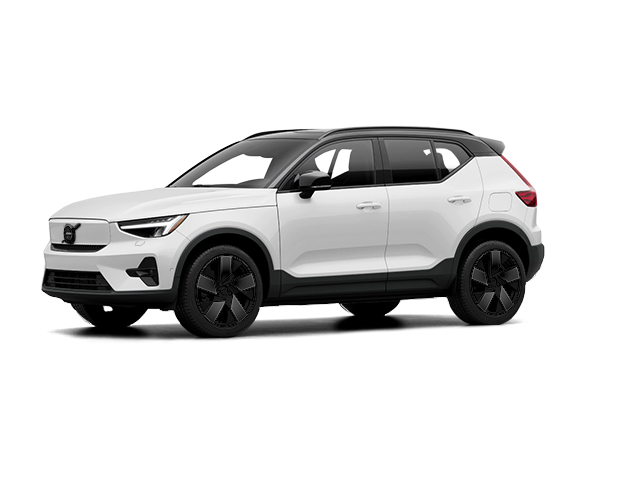
Photo for illustrative purposes only.
Find out moreVolvo Cars Toronto

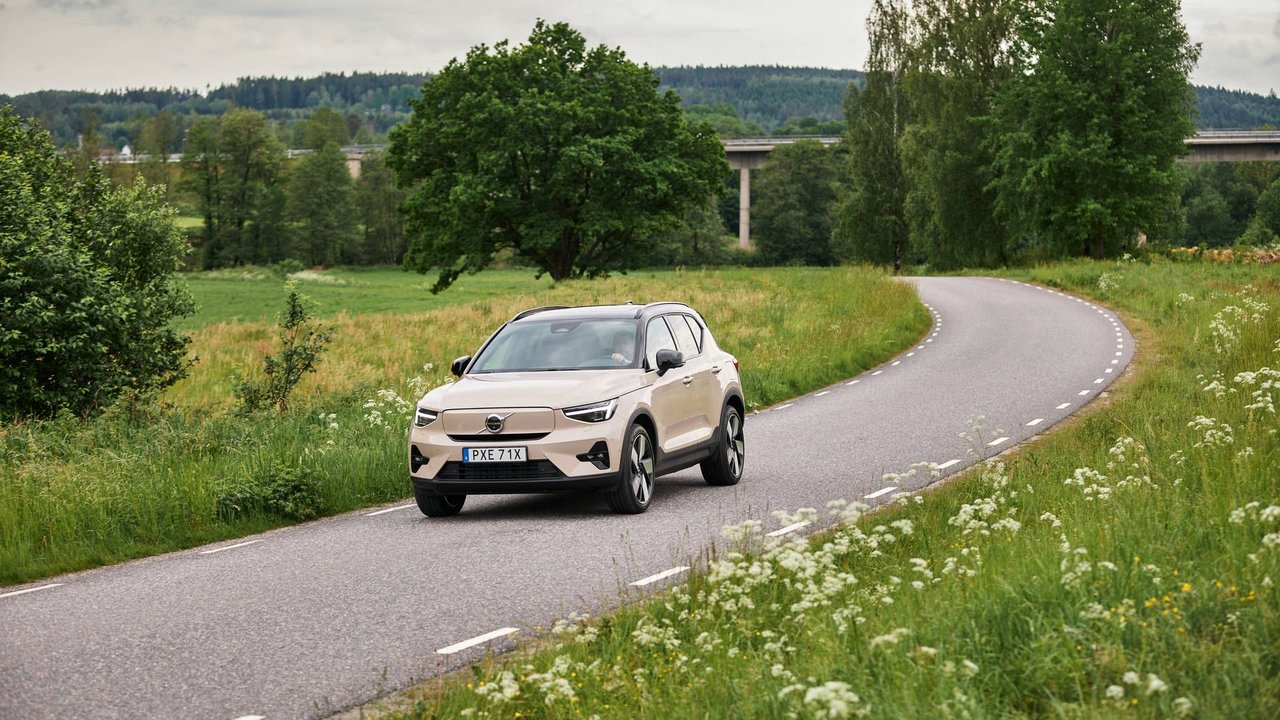
Ontario summers push EVs hard. When ambient temperatures climb, the battery works to cool both the cabin and itself, and that thermal load comes straight out of your driving range. For 2026 Volvo EX40 Twin Motor owners, the rated 418 km range is a baseline measured under controlled conditions, not a guarantee on a humid July afternoon.
The good news: the EX40 Twin Motor has a set of tools suited to reducing that heat penalty. Knowing how to use them changes what summer driving looks like day to day.
The EX40 Twin Motor carries an 82 kWh Lithium-ion battery with 79 kWh usable capacity. In mild weather, that pack delivers a rated 418 km. In hot weather, two things compete for that energy: cooling the cabin and keeping the battery itself within its operating range. Both draw from the same source.
The result is higher-than-expected energy demand before the car moves a metre. A cabin sitting in direct sun can reach temperatures well above ambient, and bringing it down takes a concentrated burst of power. That burst is largest at the moment you get in and start driving.
Charging is also affected. The technical specifications note that charging time varies with vehicle climatization and other active electric loads. On a hot day with the climate system running during a charge stop, the DC fast-charge session from 10 to 80% (normally 29 minutes at 150 kW) may run longer than the rated figure.

The most effective move costs nothing extra: pre-condition the cabin before you unplug. The Volvo Cars app lets you cool the cabin remotely while the EX40 is still connected to a charger. Grid power handles the cooling load, so the battery arrives at full usable capacity rather than spending early kilometres on the first blast of air conditioning.
The app also supports departure scheduling. Set your planned leave time and the cabin reaches the target temperature when you get in, again on grid power.
Once driving, the climate architecture does the ongoing work:
The 0.329 drag coefficient also contributes on longer drives. A lower-drag body loses less energy to aerodynamic resistance at highway speeds, which partially offsets the added load from the climate system.
On the charging side, planning stops for cooler parts of the day brings charge sessions closer to their rated times. The Twin Motor’s Level 2 charge time is 8 hours on a 240V circuit, making overnight home charging the most predictable option.
Daily commuters with a home charger get the biggest return from scheduling and pre-conditioning. A consistent departure time means the cabin is already at temperature on grid power, and the car returns home each night for a full overnight charge. The heat penalty matters less when every day starts with a full 79 kWh.
Plus, Ultra, and Black Edition Ultra owners have the heat pump as standard equipment. On a day that starts cool and heats up, the heat pump handles morning conditions efficiently and transitions to cooling as the temperature rises, without the energy spike of a resistive-only system. Core buyers can add the heat pump as an option, and in Ontario’s climate it is worth considering: in shoulder seasons the resistive heater draws more power than the summer cooling load does.
Ultra and Black Edition Ultra owners also have Pilot Assist as standard equipment. On long highway stretches, consistent speed management from the system reduces energy spikes from acceleration, which adds up on a drive where the climate system is already drawing power.
The air purifier with remote cabin pre-cleaning (standard on Plus, Ultra, and Black Edition Ultra) carries a secondary summer benefit: the same remote function that pre-cools the cabin also circulates and filters air before entry, useful on high-pollen or high-humidity days.
The 2026 EX40 Twin Motor’s 418 km range holds up better in Ontario when the climate system works with the battery rather than against it. Pre-conditioning on grid power, the heat pump, and consistent overnight charging are the three levers that make the most practical difference across a typical Ontario summer.
Visit Volvo Cars Toronto to explore the EX40 Twin Motor and walk through the trim options for Ontario driving. Book a test drive and see how the climate tools perform when the temperature is actually up.
Photo for illustrative purposes only.
Find out more
Adapter-Free Supercharger Access: What the 2027 Volvo EX60’s NACS Port Opens Up
Charging an EV shouldn’t feel like carrying a bag of adapters. If you’re weighing the 2027 Volvo EX60, one detail matters more than it might seem:...
Read more
How Far the 2026 Volvo XC60 T8 Drives on Electric Before Switching to Gas
Most commutes are shorter than drivers think, and that gap between how far you actually drive and how far you assume you drive is exactly where a...
Read more
How Standard AWD Helps the 2026 Volvo XC40 on Wet Fall Roads
Fall driving in Ontario means wet pavement, wet leaves, and mornings where the road grip you had yesterday just isn’t there today. The 2026 Volvo...
Read morePowered and developed by
