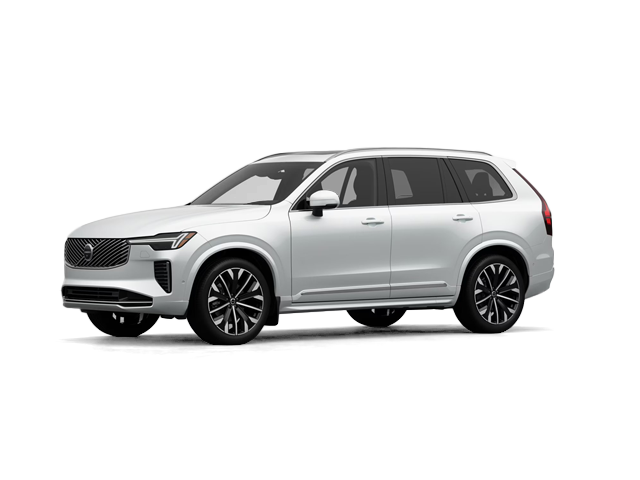
Photo for illustrative purposes only.
Find out moreVolvo Cars Toronto

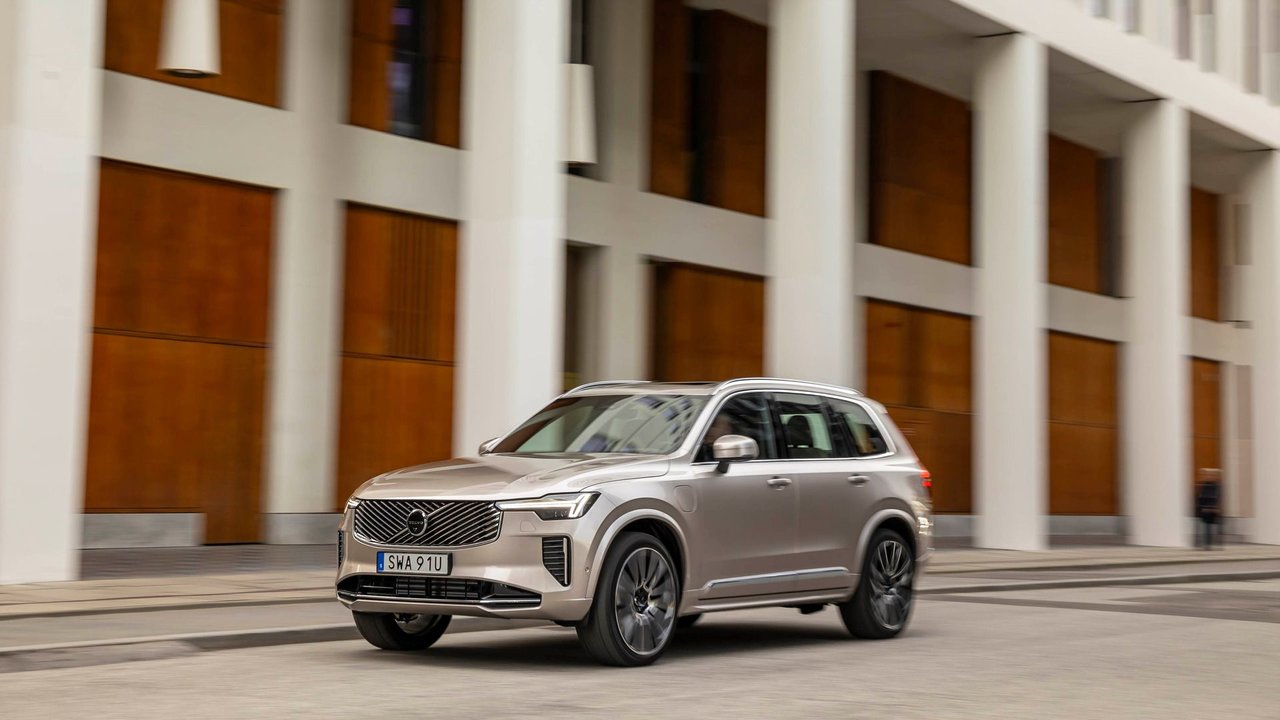
Parking a three-row SUV built to seat seven takes more than mirrors and a backup beep, especially in a tight underground garage or a crowded Ontario retail lot. The 2026 XC90 spreads its parking technology unevenly across Core, Plus, and Ultra, so the right trim depends on how and where you actually park.
This guide answers the questions Ontario shoppers ask most about the XC90’s camera and Park Assist coverage, trim by trim.
Core does not include the 360° camera. It ships with a single rear parking camera, plus sensors covering the front and rear of the vehicle only.
The 360° camera becomes available starting on Plus, and it stays standard through Ultra as well, so both of the upper two trims share identical camera hardware.
That makes the move from Core to Plus the real decision point for anyone who wants an overhead view of the SUV instead of a single rear angle.
Core’s sensor layout covers front and rear only, a simpler setup suited to straight-in driveways and open lots. Plus and Ultra replace it with Park Assist across the front, rear, and sides.
That side coverage matters most in narrow garage stalls, between two parked vehicles in a mall lot, or when threading past a support pillar. A front-and-rear-only system cannot flag something approaching from the side, so the driver leans on mirrors alone in those spots.
Paired with the 360° camera, the front, rear, and side sensor set gives Plus and Ultra drivers a continuous view around the SUV instead of one angle and a warning tone.

|
Parking Feature |
Core |
Plus |
Ultra |
|
Camera |
Rear only |
360° |
360° |
|
Park Assist coverage |
Front and rear |
Front, rear, and sides |
Front, rear, and sides |
Plus and Ultra land on identical camera and sensor coverage. Their real difference shows up elsewhere: Ultra adds a head-up display, while Plus does not.
Other visibility-related items stay consistent across the lineup. Power-retractable door mirrors and a rain sensor are standard on Core, Plus, and Ultra alike, and Pilot Assist, BLIS with Cross Traffic Alert, and the 12.3-inch driver display are standard on all three as well. That leaves the camera and sensor coverage as the main parking-specific gap between Core and the two upper trims.
Shoppers who mostly park in a home driveway or open lots, with straightforward front-and-rear manoeuvres, get functional coverage from Core’s rear camera and sensors.
Drivers who regularly navigate tight urban garages, condo parkades, or crowded retail lots gain real benefit from the 360° camera and side sensors that arrive on Plus. That extra coverage catches obstacles a rear camera alone would miss.
Buyers who want that same parking confidence bundled with a head-up display and Ultra’s fuller list of interior and comfort features get it all at the top of the lineup, without giving up anything on the camera or sensor side compared with Plus.
The 2026 XC90 splits its parking technology cleanly: Core covers the basics with a rear camera and front and rear sensors, while Plus and Ultra both add the 360° camera and front, rear, and side Park Assist.
Visit Volvo Cars Toronto in Toronto to sit in the 2026 XC90 and compare Core, Plus, and Ultra in person, and find the trim that matches how you actually park.
Photo for illustrative purposes only.
Find out more
Adapter-Free Supercharger Access: What the 2027 Volvo EX60’s NACS Port Opens Up
Charging an EV shouldn’t feel like carrying a bag of adapters. If you’re weighing the 2027 Volvo EX60, one detail matters more than it might seem:...
Read more
How Far the 2026 Volvo XC60 T8 Drives on Electric Before Switching to Gas
Most commutes are shorter than drivers think, and that gap between how far you actually drive and how far you assume you drive is exactly where a...
Read more
How Standard AWD Helps the 2026 Volvo XC40 on Wet Fall Roads
Fall driving in Ontario means wet pavement, wet leaves, and mornings where the road grip you had yesterday just isn’t there today. The 2026 Volvo...
Read morePowered and developed by
