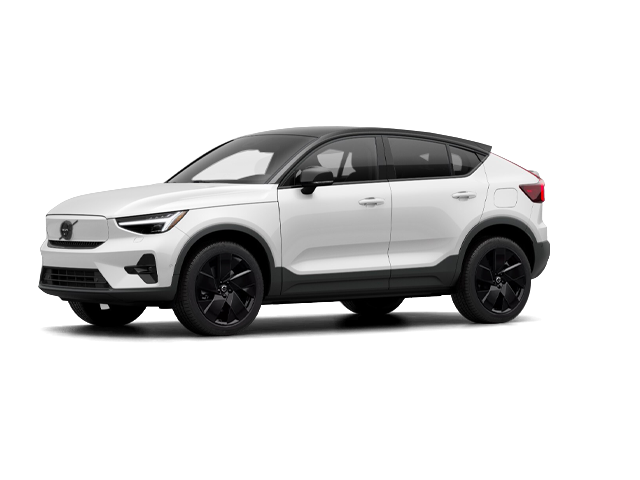
Photo for illustrative purposes only.
Find out moreVolvo Cars Toronto

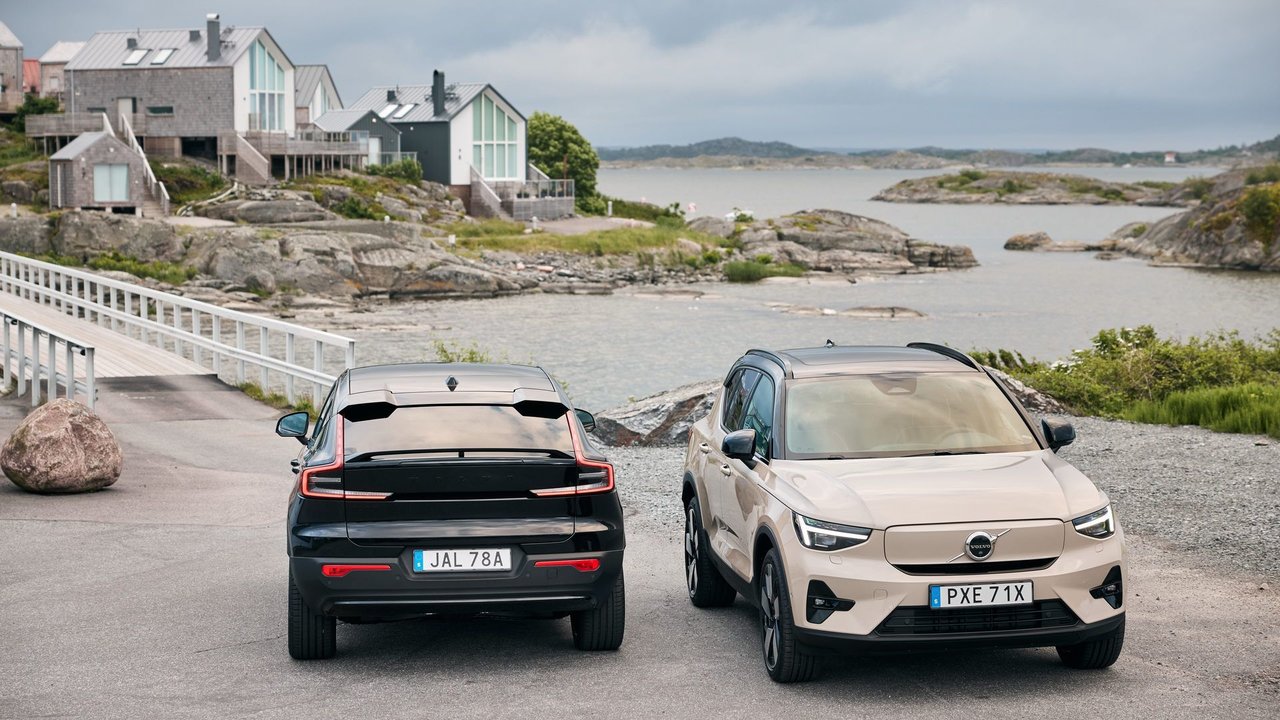
Two Volvos, one platform, and a genuinely useful question: does the coupe-style EC40 or the traditional SUV EX40 suit the way you actually drive in Ontario? The body shape is the most visible difference, but the cargo layout and interior dimensions that follow from it are where the decision lives.
|
Spec |
EC40 |
EX40 |
|
Body style |
Sloping coupe hatchback |
Traditional SUV hatch |
|
Cargo volume (seats up) |
410 L |
410 L |
|
Frunk volume |
31 L |
31 L |
|
Ground clearance |
175 mm |
175 mm |
|
Twin Motor power |
402 hp |
402 hp |
|
Twin Motor torque |
494 lb-ft |
494 lb-ft |
|
Twin Motor range |
418 km |
418 km |
|
DC fast charge (10–80%) |
29 min |
29 min |
|
Turning circle |
11.4 m |
11.4 m |
|
Trims |
Core, Black Edition Ultra |
Core, Plus, Ultra, Black Edition Ultra |
Both vehicles share the same powertrain, ground clearance, and frunk. The differences are almost entirely about shape and trim availability.
The Twin Motor puts 402 hp and 494 lb-ft of torque through a dual-motor AWD setup in both models. The 0–100 km/h run takes 4.8 seconds, top speed is 180 km/h, and the 82 kWh lithium-ion battery (79 kWh usable) delivers 418 km of rated range. DC fast charging brings the pack from 10% to 80% in 29 minutes; Level 2 charging at 32 A takes 8 hours overnight.
For an Ontario commuter, 418 km of rated range means cold-weather range reduction still leaves substantial daily buffer. Neither model has an advantage here: the powertrain, battery, and charge times are identical.
The EC40’s sloping roofline gives it a fastback silhouette. That shape is the trade-off: the cargo opening is narrower and lower than the EX40’s upright hatch. Both models start at 410 L with seats up, but the EX40’s squared-off rear expands to 1,400 L with the second row folded. An EC40 equivalent figure is not in the current data.
Both models include a 31 L frunk, which handles cables or a grocery bag without touching the main cargo area.
If you regularly move flat-pack furniture, strollers, or bulky sports equipment, the EX40’s tall, square opening is the practical choice. If your loads are smaller and you value the sleeker profile, the EC40 delivers the same cabin space without the compromise.

The two models share a wheelbase of 2,702 mm and near-identical interior measurements: front legroom is 1,040 mm, rear legroom is 917 mm, and front headroom with the panoramic roof is 955 mm front and 974 mm rear. The EC40’s sloping roof may feel lower over rear passengers compared to the EX40’s upright cabin, though the numeric headroom figures available apply to the shared architecture.
Both vehicles seat five and offer heated front seats across all trims. Heated rear seats are available on higher trims. Two-zone climate control is standard, and the 12.3-inch driver display and 9-inch centre touchscreen carry through every trim on both models.
The EC40 is offered in Core and Black Edition Ultra. The EX40 adds Plus and Ultra between those two end-points, giving shoppers more ways to land at a specific feature set without paying for the full Black Edition Ultra package.
Key EX40 trim progression highlights from the feature table:
The EC40 Core mirrors the EX40 Core’s core features, and the EC40 Black Edition Ultra includes the full top-tier feature list: Harman Kardon, Pilot Assist, 360-degree camera, panoramic roof, and Connect Suede upholstery.
For the Ontario driver who values a sportier silhouette, doesn’t regularly haul oversized cargo, and wants a streamlined trim choice, the EC40 Core or EC40 Black Edition Ultra makes sense. The sloping roofline is the defining trade-off, and if that shape appeals, you lose nothing on power, range, or ground clearance.
For the driver who wants the traditional SUV versatility of a tall cargo opening and 1,400 L of load space with seats folded, or who wants to step through Plus or Ultra to land on a specific feature set at a specific price, the EX40 is the better-suited vehicle. The four-trim ladder also makes it easier to get Pilot Assist as a standard feature at the Ultra level without going straight to the Black Edition Ultra.
Both vehicles share the same powertrain and the same platform. The choice is genuinely about shape, cargo practicality, and how many trim steps you want between entry and top.
The 2026 EC40 and EX40 share Volvo’s Twin Motor AWD powertrain, 418 km of range, and a 29-minute DC fast-charge window, split by body shape, cargo format, and trim availability.
Visit Volvo Cars Toronto to sit in both, compare the cargo openings in person, and work with the team to identify which trim level aligns with how you drive.
Photo for illustrative purposes only.
Find out more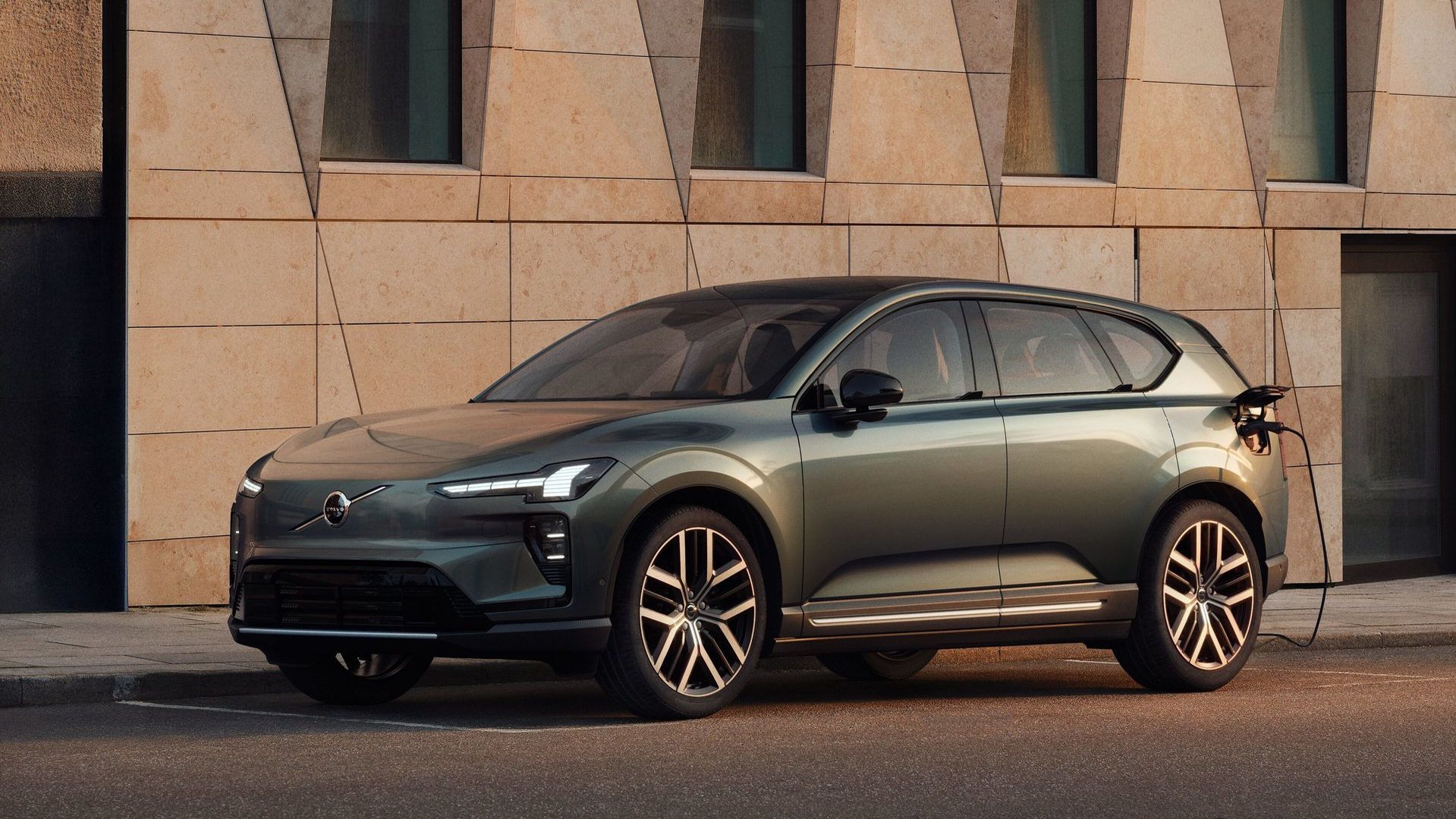
Adapter-Free Supercharger Access: What the 2027 Volvo EX60’s NACS Port Opens Up
Charging an EV shouldn’t feel like carrying a bag of adapters. If you’re weighing the 2027 Volvo EX60, one detail matters more than it might seem:...
Read more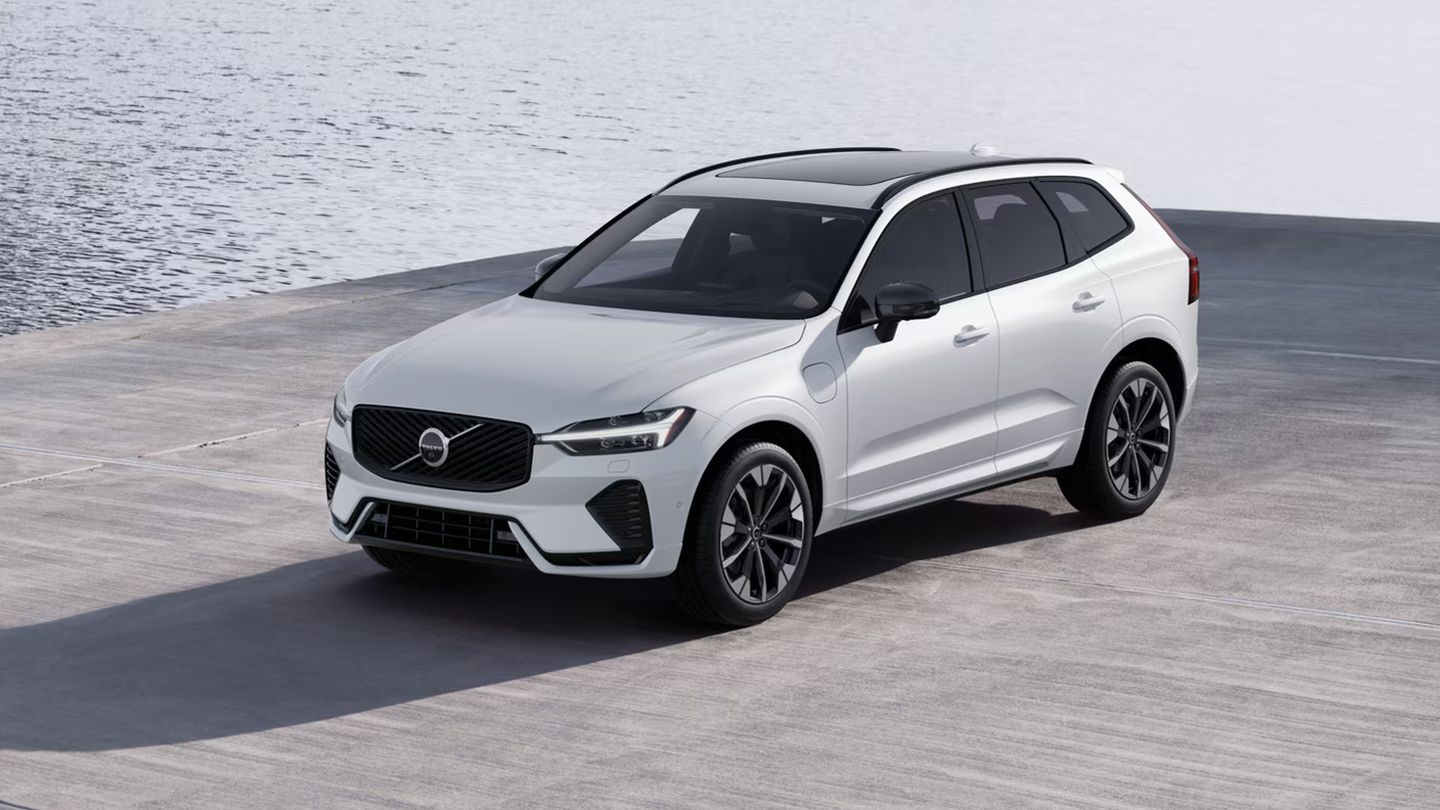
How Far the 2026 Volvo XC60 T8 Drives on Electric Before Switching to Gas
Most commutes are shorter than drivers think, and that gap between how far you actually drive and how far you assume you drive is exactly where a...
Read more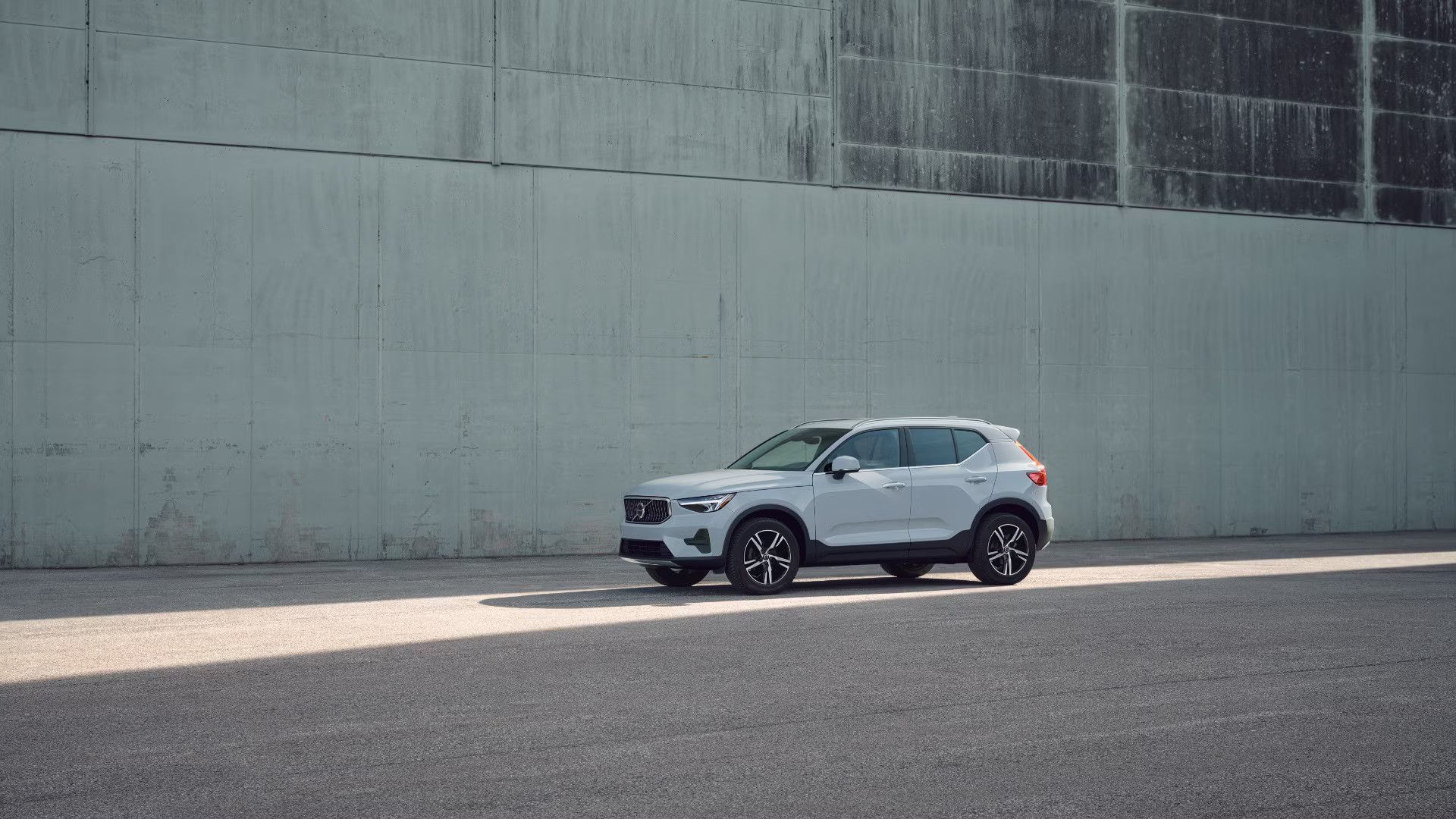
How Standard AWD Helps the 2026 Volvo XC40 on Wet Fall Roads
Fall driving in Ontario means wet pavement, wet leaves, and mornings where the road grip you had yesterday just isn’t there today. The 2026 Volvo...
Read morePowered and developed by
