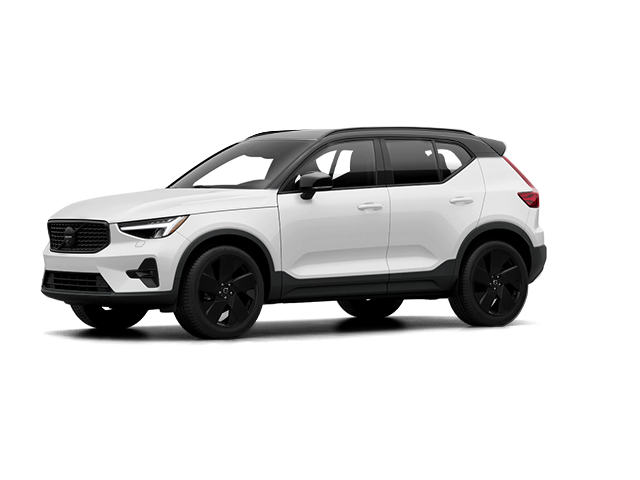
Photo for illustrative purposes only.
Find out moreVolvo Cars Toronto

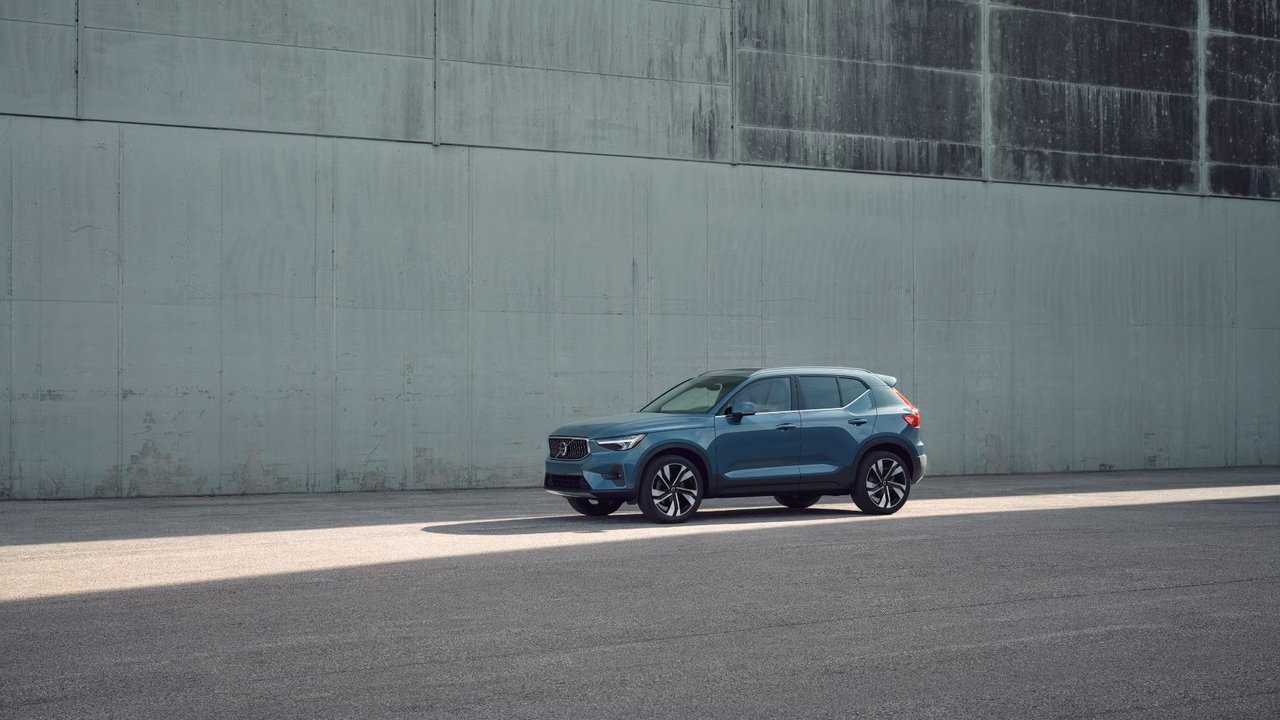
If you're driving a 2026 Volvo XC40 mild hybrid and you're thinking about making the switch to the EX40, you are already holding most of the relevant context. You know the XC40's interior layout, its cargo space, and how it handles. You know whether you like the dimensions, the seating position, and the way the AWD behaves in wet conditions. That existing familiarity actually makes this a more manageable decision than it is for someone coming to Volvo's electric lineup cold.
What you don't yet know is how daily charging fits into your routine, whether the EX40's 418 km of electric range covers your driving patterns with room to spare, and what actually changes — and what stays the same — when you step from the mild hybrid into the electric version. This article addresses those questions directly.
The EX40 and XC40 share the same 4,440 mm body length and 2,702 mm wheelbase. Sit in an EX40 after years in an XC40 and the proportions feel immediately familiar. The roofline, the door geometry, the seating position, the shoulder room — these carry over because the platforms are closely related. Rear leg room is 917 mm on both. The cargo area with seats up is 569 L on the EX40 and 569 L on the XC40. The load floor is at the same height.
The Google built-in services you may already use in the XC40 — Google Maps, Google Assistant, Google Play — are carried over to the EX40 as standard across all trims. Apple CarPlay, Android Auto, and wireless phone charging are also standard. The safety architecture is consistent: Lane Keeping Aid, Oncoming Lane Mitigation, Rear Collision Warning, adaptive cruise control, BLIS and Cross Traffic Alert, ISOFIX rear mounting points, and the full passive safety structure are standard across the EX40 lineup.
The ground clearance is 175 mm on the EX40 — 30 mm less than the XC40's 205 mm. That difference is modest in practice for drivers who stay on paved and gravel roads, but worth noting if ground clearance has been a working part of your daily use.
This is the core of the decision. The XC40 B5 produces 247 hp, pulls into any petrol station, and returns 9.1 L/100 km combined. Refuelling takes three minutes. The EX40 Twin Motor (the only configuration available in Canada for 2026) produces 402 hp, returns 2.5 Le/100 km combined (NRCan 2026), and requires charging rather than refuelling.
The 402 hp output and 4.8-second 0–100 km/h time represent a significant performance upgrade over the XC40 B5's 247 hp and 6.4-second sprint. AWD on the EX40 is a dual-motor setup — front and rear motors operate independently — rather than the XC40's mechanical AWD through the gearbox.
The charging question is the one that most XC40 drivers get stuck on. Here is the practical picture for a driver in Toronto:
Home charging: A Level 2 AC home charger (32A) adds approximately 25–35 km of range per hour of charging. For a driver covering 60 km per day, a two-hour overnight top-up fully replenishes the day's use. Most EV owners plug in every two to three nights, not every night.
DC fast charging: The EX40 supports DC charging at up to 150 kW. From a low state of charge, a 10–80% charge at a 150 kW station takes approximately 29 minutes. Public DC fast chargers are widely available across Toronto and the 400-series highways.
Total range: 418 km (EPA, Twin Motor). A drive from Toronto to Kingston is approximately 260 km round trip. Toronto to Ottawa is approximately 450 km one way — that route would require one charging stop, which is achievable given the DC charging network along the 401 corridor.

|
Spec |
XC40 B5 AWD |
EX40 Twin Motor |
|---|---|---|
|
Power |
247 hp |
402 hp |
|
Torque |
258 lb-ft |
494 lb-ft |
|
0–100 km/h |
6.4 sec |
4.8 sec |
|
Running cost |
9.1 L/100 km |
2.5 Le/100 km |
|
Range |
Unlimited (petrol) |
418 km (EPA) |
|
AWD |
Mechanical, 1 engine |
Dual motor, front + rear |
|
Towing (braked) |
3,527 lbs (1,600 kg) |
1,984 lbs (900 kg) |
One important difference to note: the EX40 Twin Motor has a braked towing capacity of 1,984 lbs (900 kg) — compared to the XC40 B5's 3,527 lbs (1,600 kg). If towing a trailer, boat, or equipment is part of your regular use, that gap is meaningful and should factor into the decision.
The running cost difference between 9.1 L/100 km petrol and 2.5 Le/100 km electric is substantial. At 20,000 km per year and approximate residential electricity rates in Ontario, the EX40 typically costs between 60–75% less to run per kilometre than the XC40 on petrol. That gap widens as fuel prices rise and narrows if electricity rates increase — but the directional advantage for the EV is consistent.
Winter affects electric range. Cold temperatures reduce battery output and increase cabin heating demand. In a Toronto winter, real-world range in cold conditions is typically 15–25% lower than the rated EPA figure, which brings the effective range on a cold day to roughly 320–355 km. This remains sufficient for most daily patterns, but it is an honest figure to plan around.
For an XC40 driver who has home charging access, drives predominantly within Toronto and surrounding areas, and covers under 350 km on a single day in the vast majority of trips — the EX40 is a well-matched first EV. The body is familiar, the technology is consistent, the performance is a meaningful upgrade, and the running costs are lower.
The case becomes more complicated for drivers who regularly tow, who take frequent long-distance trips of 400+ km in a single session, or who have no access to home or workplace charging. For those buyers, the XC40 B5 — or the XC60 T8 plug-in hybrid as a bridge option — may be a better fit.
The EV transition works best when charging fits the life you already live, rather than the one you'd need to reorganise around it.
Questions about home charging setup, real-world range for your specific commute, or how the EX40 compares to the XC60 T8 as a middle step? Bring those to Volvo Cars Toronto in Toronto — the team works through this exact conversation regularly and can help you figure out where the EV decision actually lands for your situation.
Photo for illustrative purposes only.
Find out more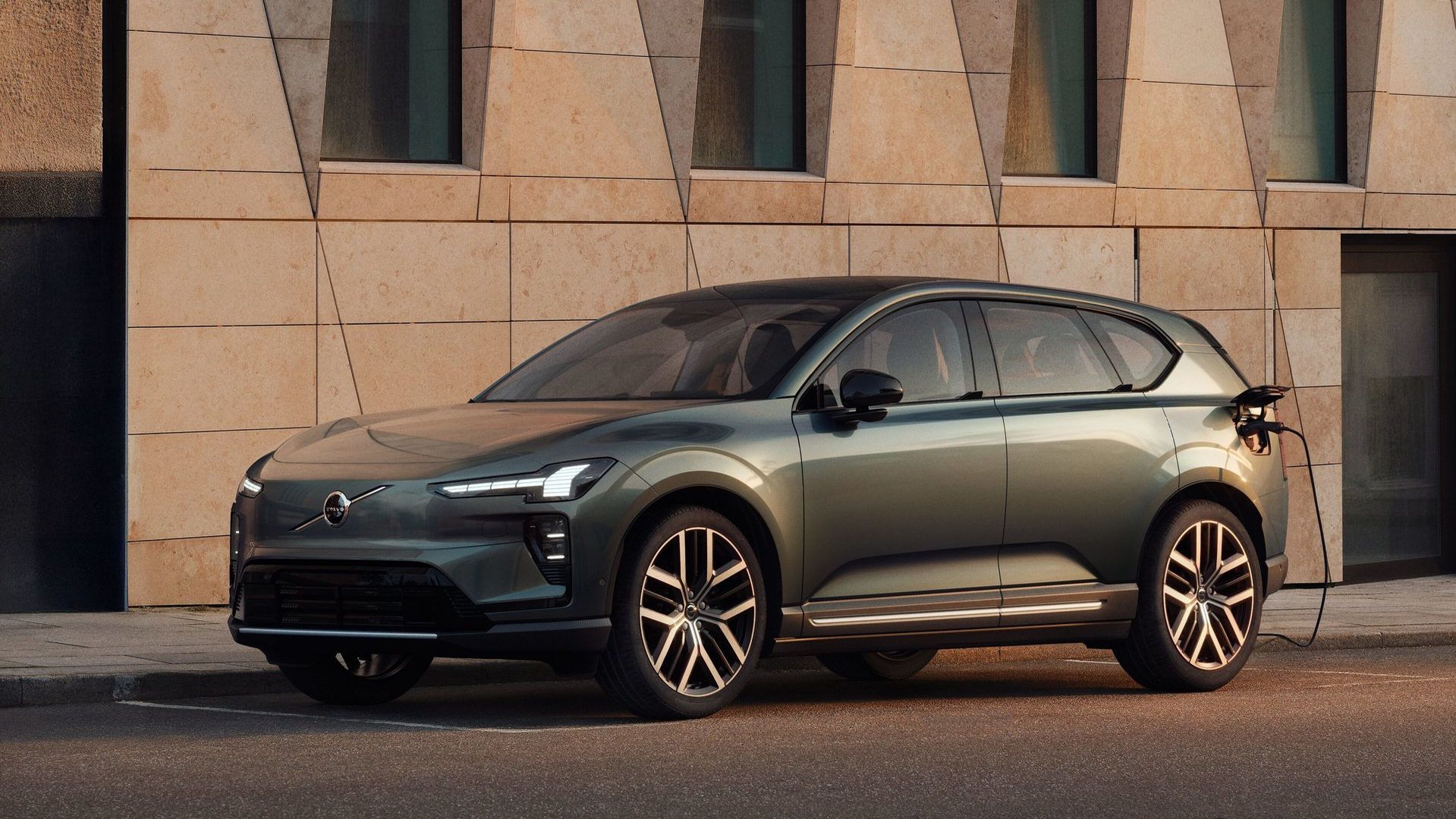
Adapter-Free Supercharger Access: What the 2027 Volvo EX60’s NACS Port Opens Up
Charging an EV shouldn’t feel like carrying a bag of adapters. If you’re weighing the 2027 Volvo EX60, one detail matters more than it might seem:...
Read more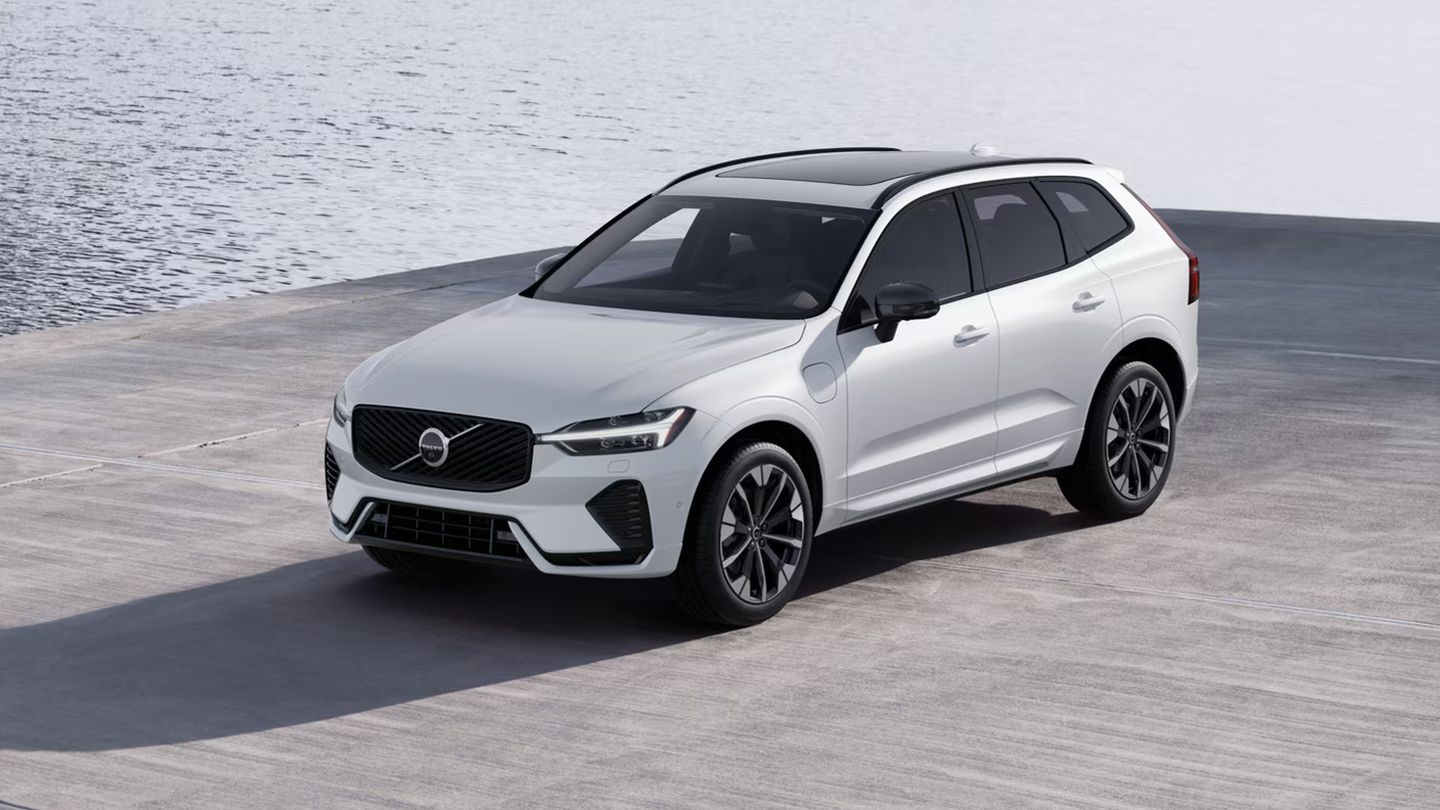
How Far the 2026 Volvo XC60 T8 Drives on Electric Before Switching to Gas
Most commutes are shorter than drivers think, and that gap between how far you actually drive and how far you assume you drive is exactly where a...
Read more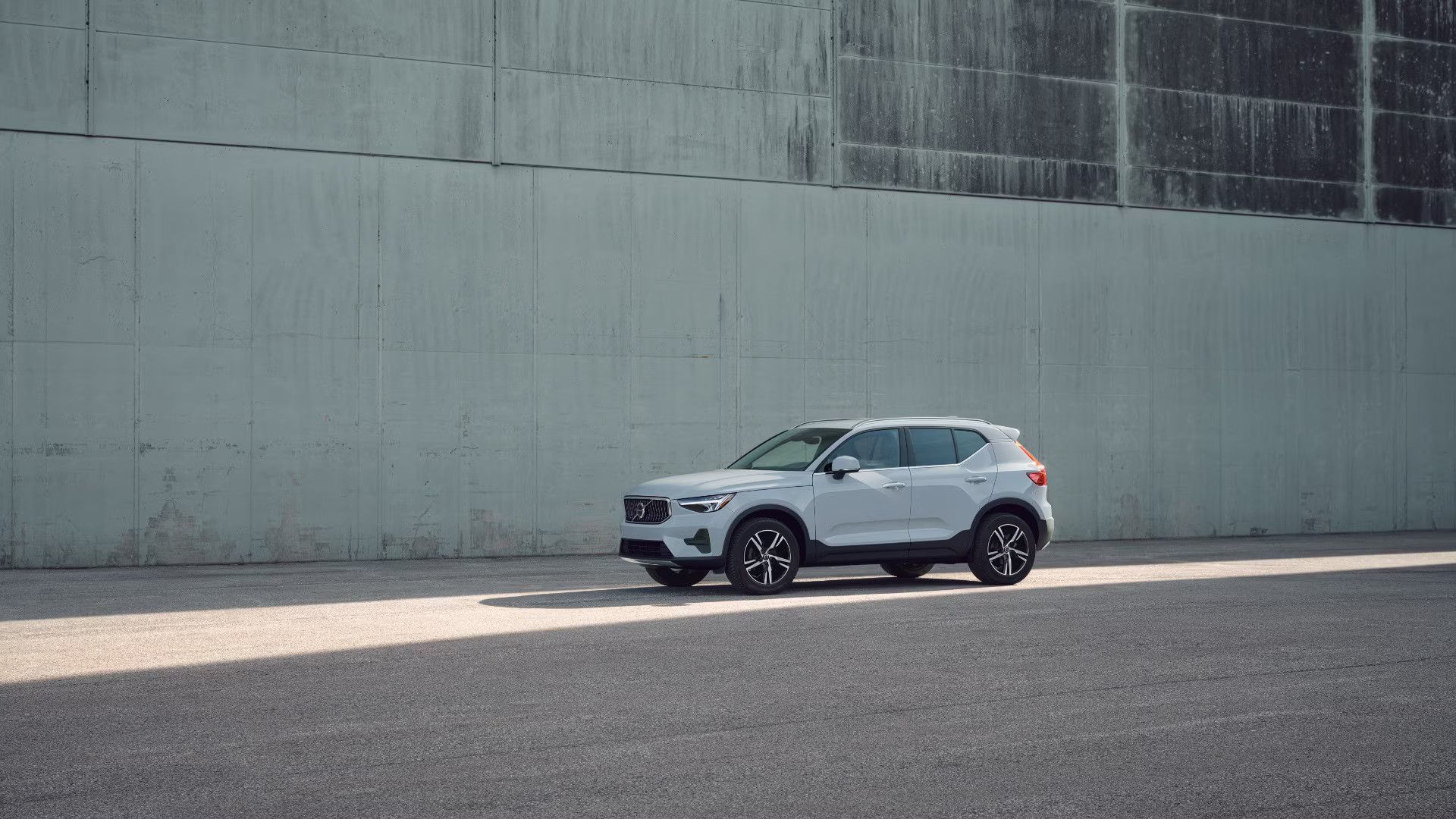
How Standard AWD Helps the 2026 Volvo XC40 on Wet Fall Roads
Fall driving in Ontario means wet pavement, wet leaves, and mornings where the road grip you had yesterday just isn’t there today. The 2026 Volvo...
Read morePowered and developed by
