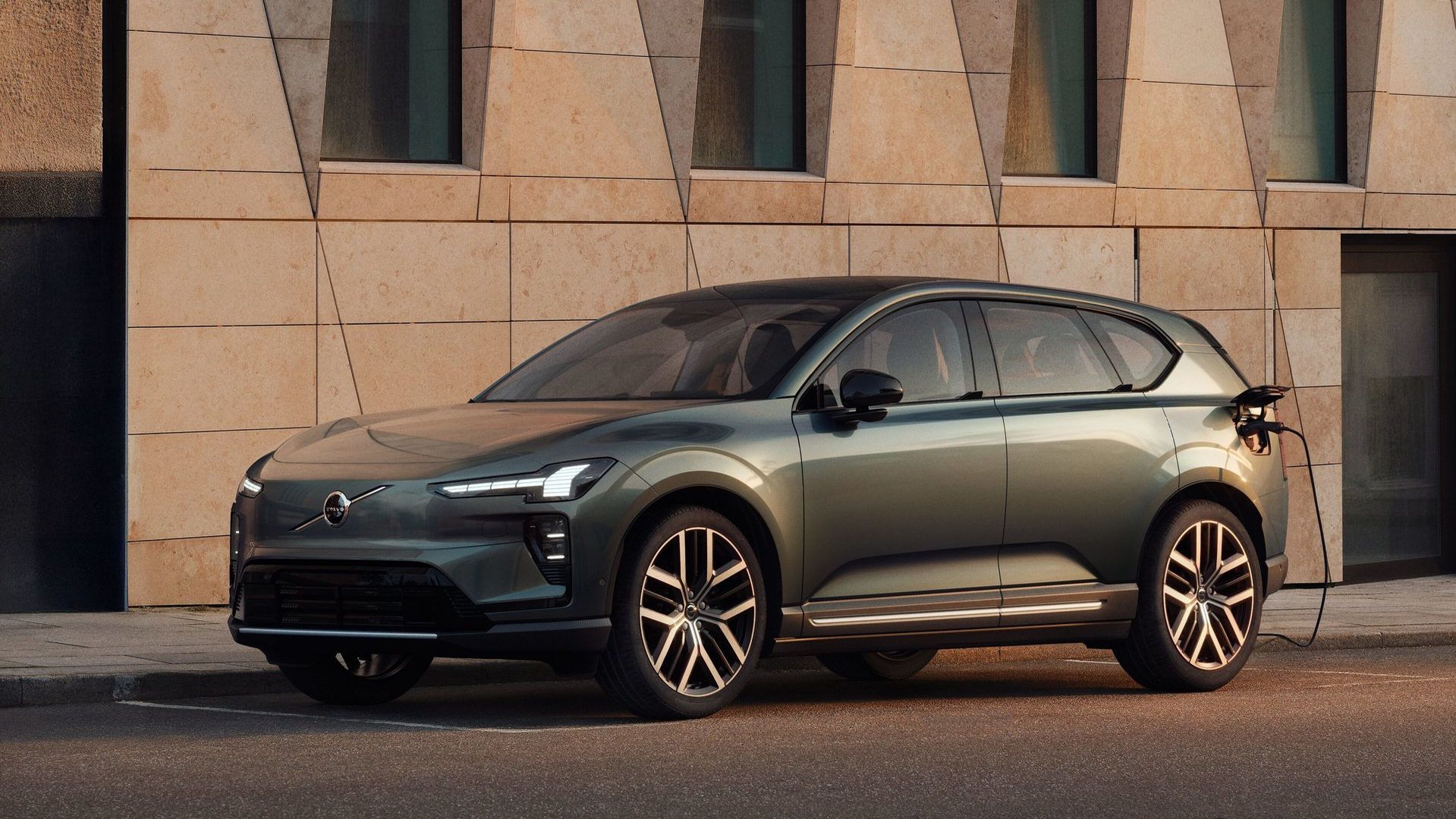
Adapter-Free Supercharger Access: What the 2027 Volvo EX60’s NACS Port Opens Up
Charging an EV shouldn’t feel like carrying a bag of adapters. If you’re weighing the 2027 Volvo EX60, one detail matters more than it might seem:...
Read moreVolvo Cars Toronto

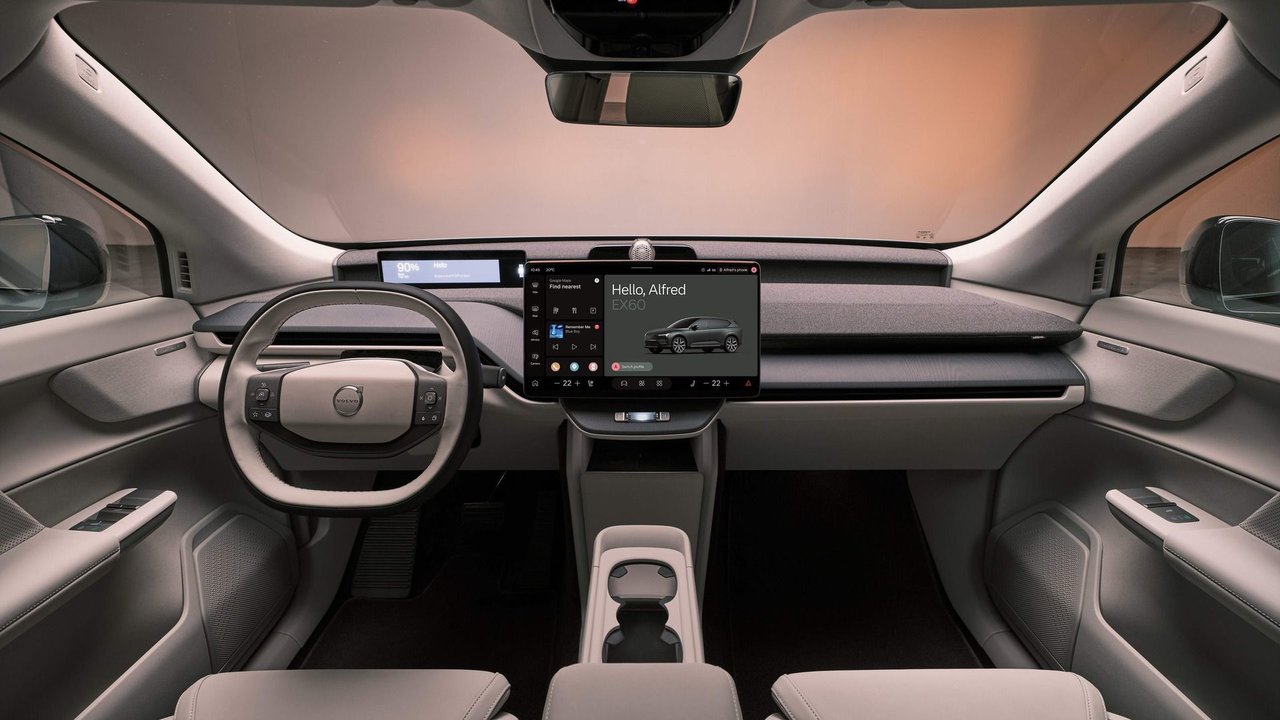
The 2027 Volvo EX60 arrives with a significant technology story at its centre. Google Gemini AI integrates directly into the vehicle's operating system through Volvo's new HuginCore compute platform — and for Toronto drivers who spend meaningful time on the Gardiner Expressway, the DVP, or navigating downtown's unpredictable traffic patterns, the implications are worth understanding before the EX60 arrives this fall.
This isn't a software upgrade to an existing system. HuginCore and Gemini represent a fundamental shift in how a Volvo processes information, responds to its driver, and manages the complexity of urban driving.
HuginCore is Volvo's new centralized compute architecture, designed specifically for the SPA3 electric platform that underpins the EX60. Unlike previous Volvo vehicles, where different vehicle functions — infotainment, safety systems, powertrain management, driver assistance — operated through separate control modules, HuginCore consolidates these functions into a unified computing environment.
This centralization produces measurable benefits:
For Toronto drivers, the most tangible expression of HuginCore is through Google Gemini — the AI layer that sits on top of the compute platform and handles human interaction with the vehicle.
Google Gemini AI in the EX60 operates differently from the voice assistants that have appeared in previous Volvo generations. Earlier systems responded to structured commands: specific phrases triggering specific actions. Gemini enables contextual, conversational interaction — the system understands intent, not just keywords.
Natural Language Navigation
Rather than navigating a menu or issuing a precise command, EX60 drivers can make requests in plain language. "Find me a fast charger with at least 45 minutes of wait time under 15 minutes" returns a result that accounts for real-time station availability and routing — not just a list of nearby charger locations. The system understands the request as a whole, not as individual data fields to query separately.
For Toronto-specific navigation, this matters in practical ways:
Proactive Suggestions Based on Learned Patterns
Gemini learns from the driver's patterns over time and surfaces relevant information proactively — before being asked. For a driver who commutes to the Financial District daily, the system learns departure times, preferred routes, and typical charging habits, then adjusts accordingly.
Practical applications for Toronto commuters:
Hands-Free Control Throughout the Vehicle

Gemini handles requests across the full vehicle, not just navigation. Climate, audio, phone calls, charging schedules, and vehicle settings are all accessible through conversational voice commands. For drivers navigating downtown Toronto where eyes-off-screen time matters for pedestrian and cyclist awareness, this capability is directly relevant to safety — not just convenience.
The 2027 EX60 offers an available Bowers & Wilkins audio system with 28 speakers — the most channels Volvo has ever placed in a production vehicle. The EV cabin environment is a meaningful part of why this matters.
Internal combustion engines produce broadband noise that competes with audio playback — particularly at lower frequencies where engine rumble and exhaust resonance overlap with bass reproduction. In a fully electric vehicle like the EX60, the cabin is significantly quieter at all speeds, creating an acoustic environment that allows the audio system to perform at its engineered capability rather than compensating for competing noise.
For Toronto drivers who spend 45 to 60 minutes daily in their vehicle during commuting, this is not a marginal distinction. The Bowers & Wilkins system in the EX60 is designed specifically for the EX60's cabin geometry and acoustic properties — it performs as a primary audio room, not as in-car audio competing against mechanical noise.
The Gardiner Expressway, the DVP, and the 401 through the GTA are among the most congested stretches of road in Canada. A vehicle with AI-assisted navigation that proactively reroutes, learns patterns, and surfaces useful information without requiring driver interaction is a materially different commuting experience than a vehicle where the driver initiates every navigation decision.
Consider a typical Toronto commute scenario: You leave Liberty Village at 8:15 AM heading to North York. Gemini has already learned this pattern, knows that Tuesday mornings on the 427 run heavy, and has pre-routed via the Gardiner and DVP before you've buckled in. The cabin is pre-conditioned from overnight Level 2 charging. The system has confirmed battery charge is sufficient for your commute, a midday appointment in Midtown, and the return home without an intermediate charge stop.
None of that required manual input. That's the practical difference HuginCore and Gemini represent.
The 2027 Volvo EX60 arrives at Volvo Cars Toronto in Fall 2026. Available in P6, P10 AWD, and P12 AWD powertrains, all three configurations carry HuginCore with Google Gemini AI integration and the full suite of EX60 technology as standard equipment.
Contact Volvo Cars Toronto to register your interest and reserve your place in the early notification list. Our team can walk you through powertrain selection, charging setup, and how the EX60's technology applies to your specific driving patterns.
Adapter-Free Supercharger Access: What the 2027 Volvo EX60’s NACS Port Opens Up
Charging an EV shouldn’t feel like carrying a bag of adapters. If you’re weighing the 2027 Volvo EX60, one detail matters more than it might seem:...
Read more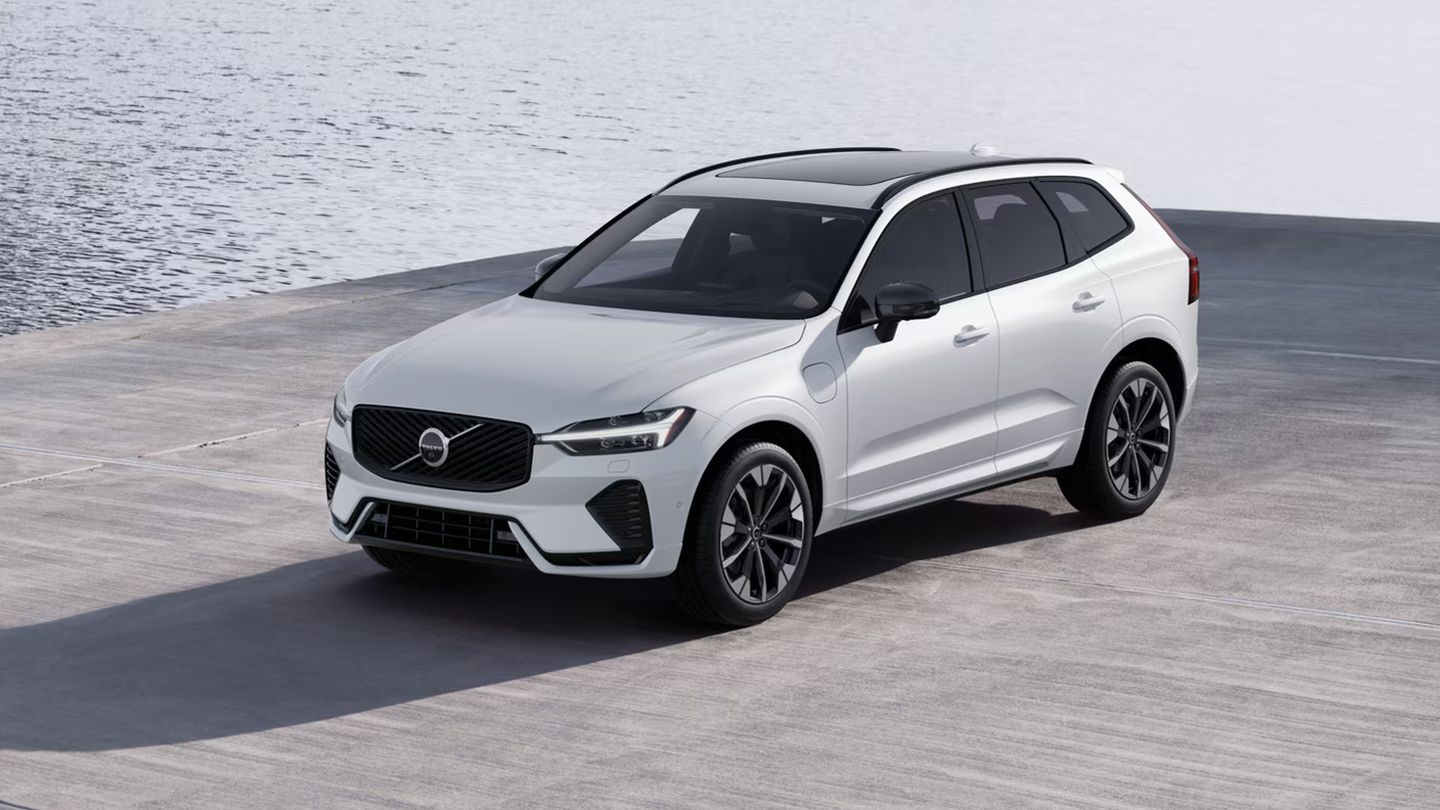
How Far the 2026 Volvo XC60 T8 Drives on Electric Before Switching to Gas
Most commutes are shorter than drivers think, and that gap between how far you actually drive and how far you assume you drive is exactly where a...
Read more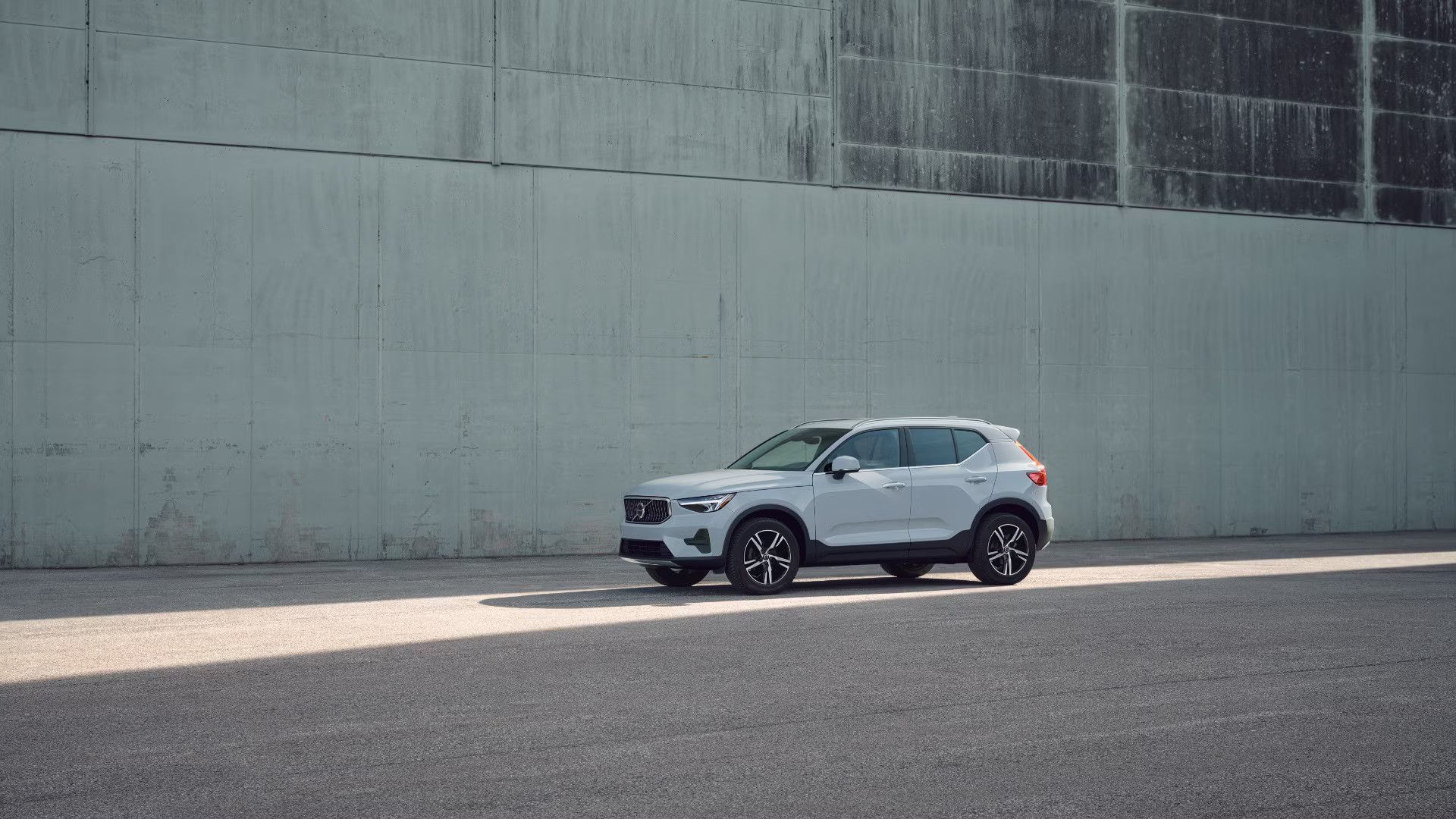
How Standard AWD Helps the 2026 Volvo XC40 on Wet Fall Roads
Fall driving in Ontario means wet pavement, wet leaves, and mornings where the road grip you had yesterday just isn’t there today. The 2026 Volvo...
Read morePowered and developed by
