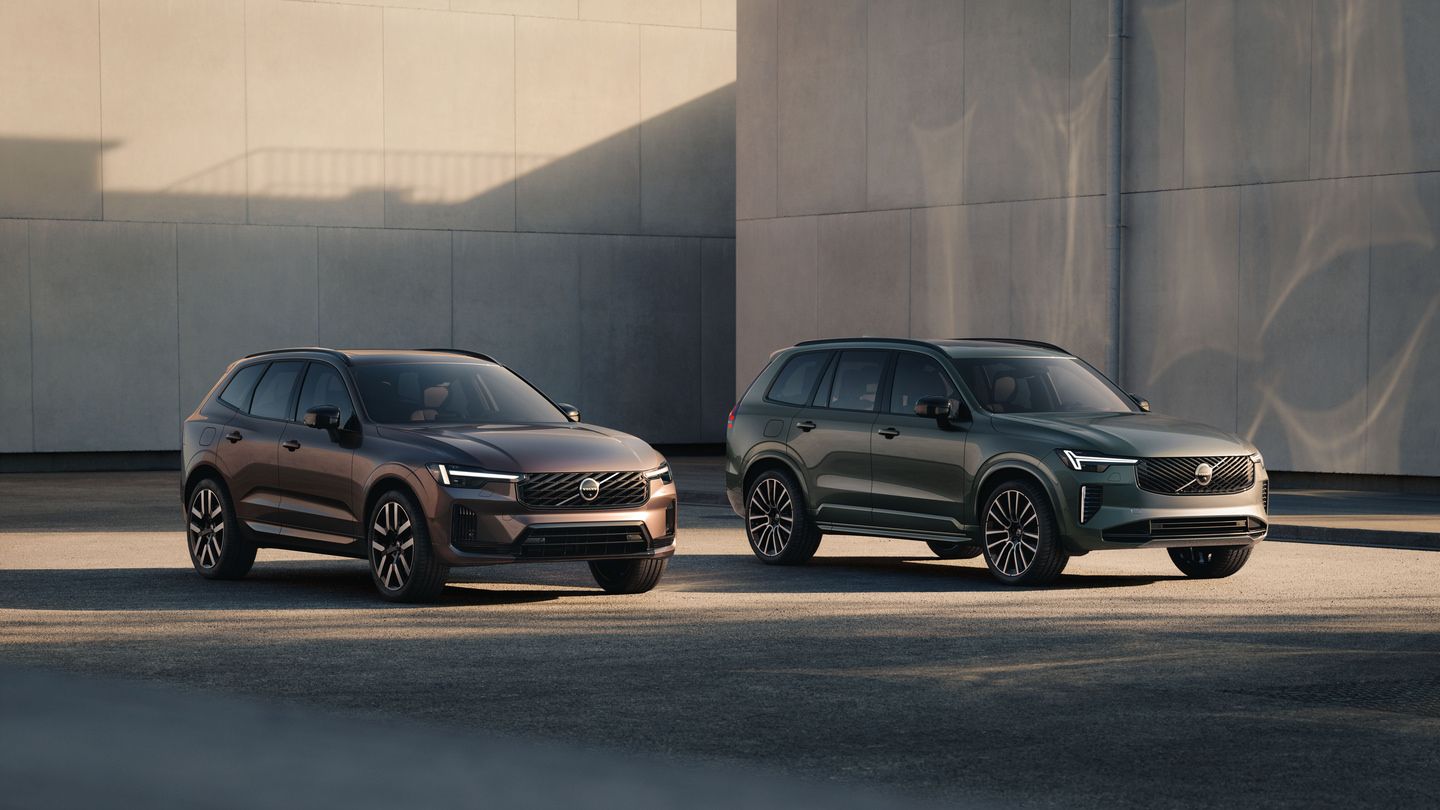
2028 Volvo XC60 and XC90: Big News for Volvo’s Two Best-Selling SUVs, Explained
School runs, daily commutes and weekend drives: that is the mileage Volvo has in mind for its 2028 XC60 and XC90 plug-in hybrids. Both SUVs gain a...
Read moreVolvo Cars Toronto


Volvo vehicles are equipped with a forward collision warning system that can detect a wide range of obstacles, including large animals such as deer, moose or horses. Here is how the system works in this particular case.
The sensors
The Volvo forward collision warning system uses many sensors in order to detect a risk of collision. This creates redundancy in order to avoid unwanted activations and it makes the system more capable and more precise. For example, both a camera and a radar sensor are used to detect large animals on the road. The camera allows the vehicle to recognize the obstacle as an animal that needs to be avoided and the radar helps determine the distance between the front of the car and the animal. In addition, the radar allows the system to function at night when the camera has a more limited range of detection.
How it can avoid accidents
The forward collision warning system used in Volvo vehicles is engineered to help avoid or minimize a collision with large animals. To do so the vehicle warns the driver as soon as the animal is detected by flashing red lights directly into the windshield, sounding an alarm and even pulsing the brakes. If the driver doesn’t react, the system is also capable of fully applying the brakes in order to slow the vehicle down by up to 15 km/h. This means that at speeds equal to or lower than 15 km/h, a collision can be avoided entirely without the driver using any input. At higher speeds, this system can reduce the force of the impact in order to keep the occupants safe by reducing the speed at which the animal is struck.
Its limitations
As with all of Volvo’s driver assistance features, this technology is designed to help the driver, not replace them. This is because the system cannot detect large animals in every situation, such as when the animal is not crossing laterally in front of the vehicle or when it is partially hidden from that camera.
2028 Volvo XC60 and XC90: Big News for Volvo’s Two Best-Selling SUVs, Explained
School runs, daily commutes and weekend drives: that is the mileage Volvo has in mind for its 2028 XC60 and XC90 plug-in hybrids. Both SUVs gain a...
Read more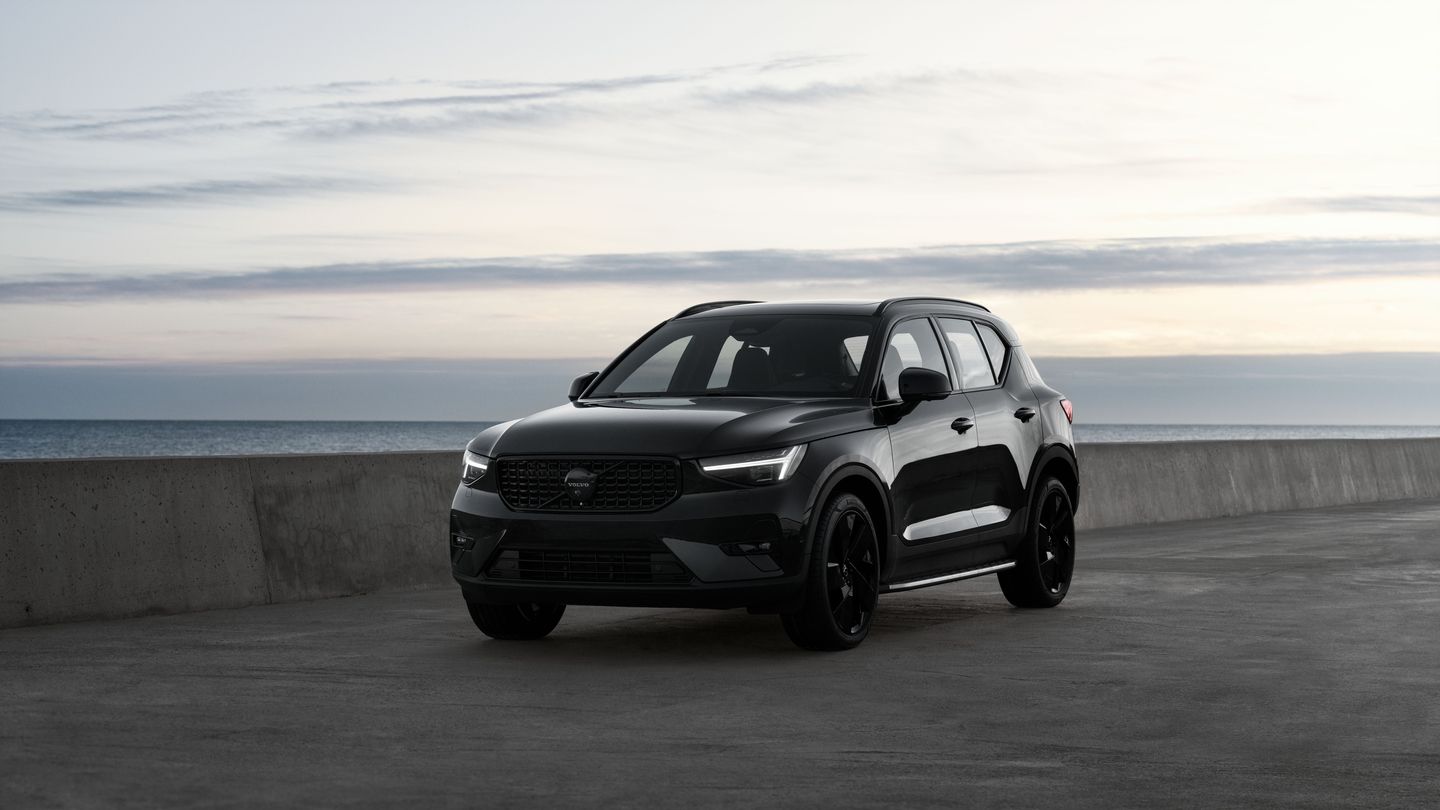
Comparing Compact Luxury SUVs This Fall With a 2026 Volvo XC40 Checklist
Fall commutes mean wet leaves, early darkness and a lot of stop-and-go. That is a good time to sort a compact luxury SUV shortlist by what you will...
Read more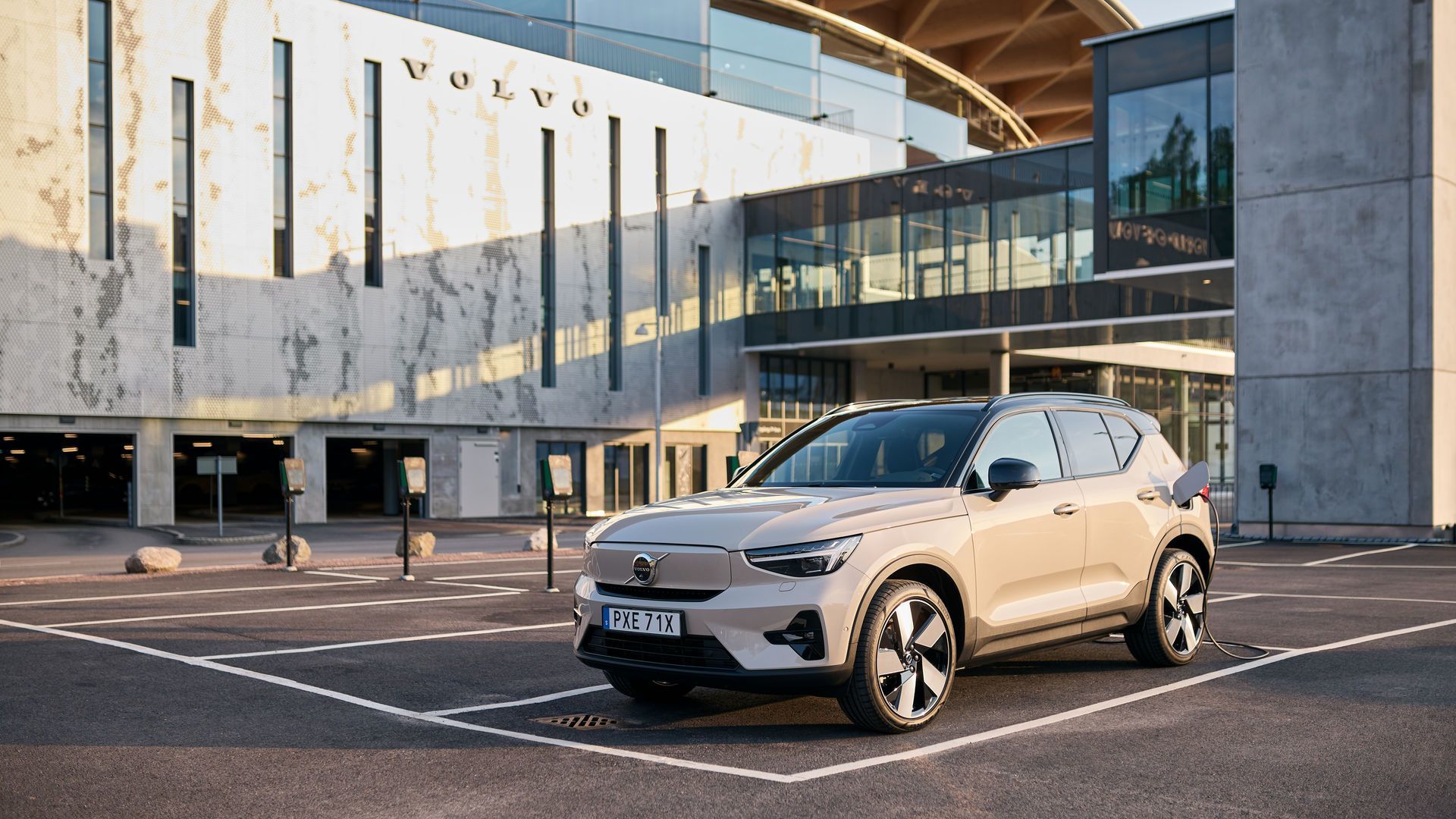
Pixel Technology Headlights for Darker Ontario Evenings in the 2026 Volvo EX40
The clocks have gone back and the commute home now starts in fading light. For Ontario drivers weighing the 2026 Volvo EX40, headlight equipment...
Read morePowered and developed by
