
2028 Volvo XC60 and XC90: Big News for Volvo’s Two Best-Selling SUVs, Explained
School runs, daily commutes and weekend drives: that is the mileage Volvo has in mind for its 2028 XC60 and XC90 plug-in hybrids. Both SUVs gain a...
Read moreVolvo Cars Toronto

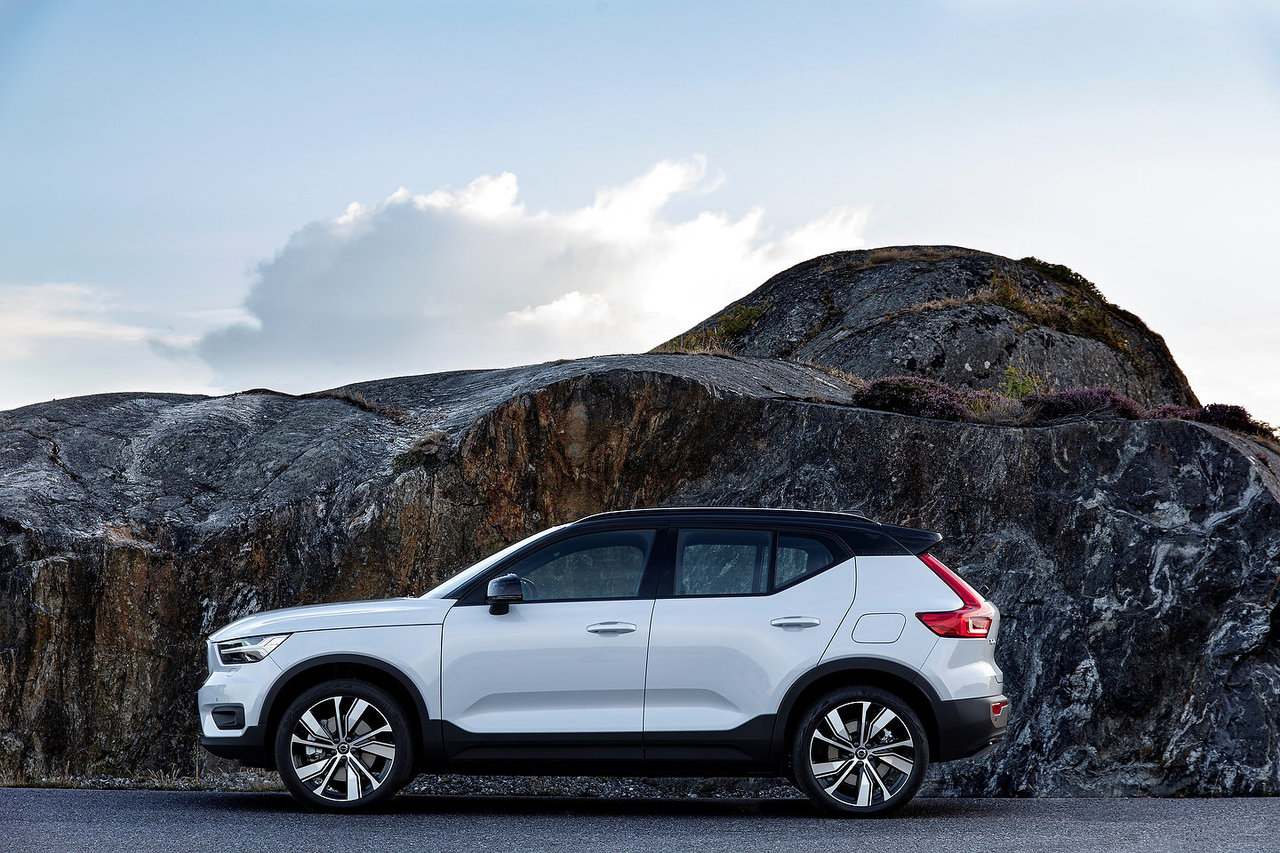
Ah, autumn. The season of pumpkin spice lattes, colorful foliage, and cozy sweaters. But let's not forget—fall is also a season that demands caution on the road, especially for those of us sporting a brand-new Volvo. While the Scandinavian engineering behind Volvos is top-notch in terms of safety, there are still some fall-specific pointers to consider. Here are three essential tips that can help you navigate the challenges of autumn driving with ease.
The aesthetic appeal of falling leaves shouldn't make you forget that they pose a hazard on the road. Wet leaves can be as slippery as ice, making it harder for tires to maintain traction. This is especially concerning for cars like the Volvo XC40 or S60, which are often lauded for their grip and handling. When wet leaves meet the road, even the most reliable vehicles can skid.
So what's the solution? Simple—take it easy on the accelerator, especially when turning corners or navigating curves. Apply the brakes gently, giving yourself ample time to slow down before a stop sign or traffic light. Use the same precautions you would if you were driving on ice or snow.
Another common feature of the fall season is fog, often dense and often without warning. Fog can dramatically reduce visibility, making it challenging to gauge the distance between you and the vehicle ahead. If your Volvo comes equipped with fog lights, this is the time to use them.
Remember, the aim is to increase visibility without blinding other drivers. Therefore, avoid using high beams in foggy conditions, as it reflects off the water droplets and makes it even harder to see. Keep a safe distance from other cars and reduce your speed to ensure you have enough time to react if an obstacle suddenly appears.
Crisp fall weather might feel wonderful, but it can wreak havoc on your tire pressure. A drop in temperature can lead to a drop in tire pressure, affecting handling and fuel efficiency. Many new Volvo models come with a Tire Pressure Monitoring System (TPMS), so make sure it's in working order.
Fall is also a good time to inspect your tires for wear and tear. While Volvo's all-season tires are dependable, switching to winter tires towards the end of fall isn't a bad idea, especially if you live in an area prone to early snowfall. Proper tire maintenance isn't just about performance—it's a critical safety measure.
So there you have it—three simple yet essential tips for safely navigating the challenges that come with driving your new Volvo in the fall. Here's to a season of scenic drives, without any of the pitfalls!
2028 Volvo XC60 and XC90: Big News for Volvo’s Two Best-Selling SUVs, Explained
School runs, daily commutes and weekend drives: that is the mileage Volvo has in mind for its 2028 XC60 and XC90 plug-in hybrids. Both SUVs gain a...
Read more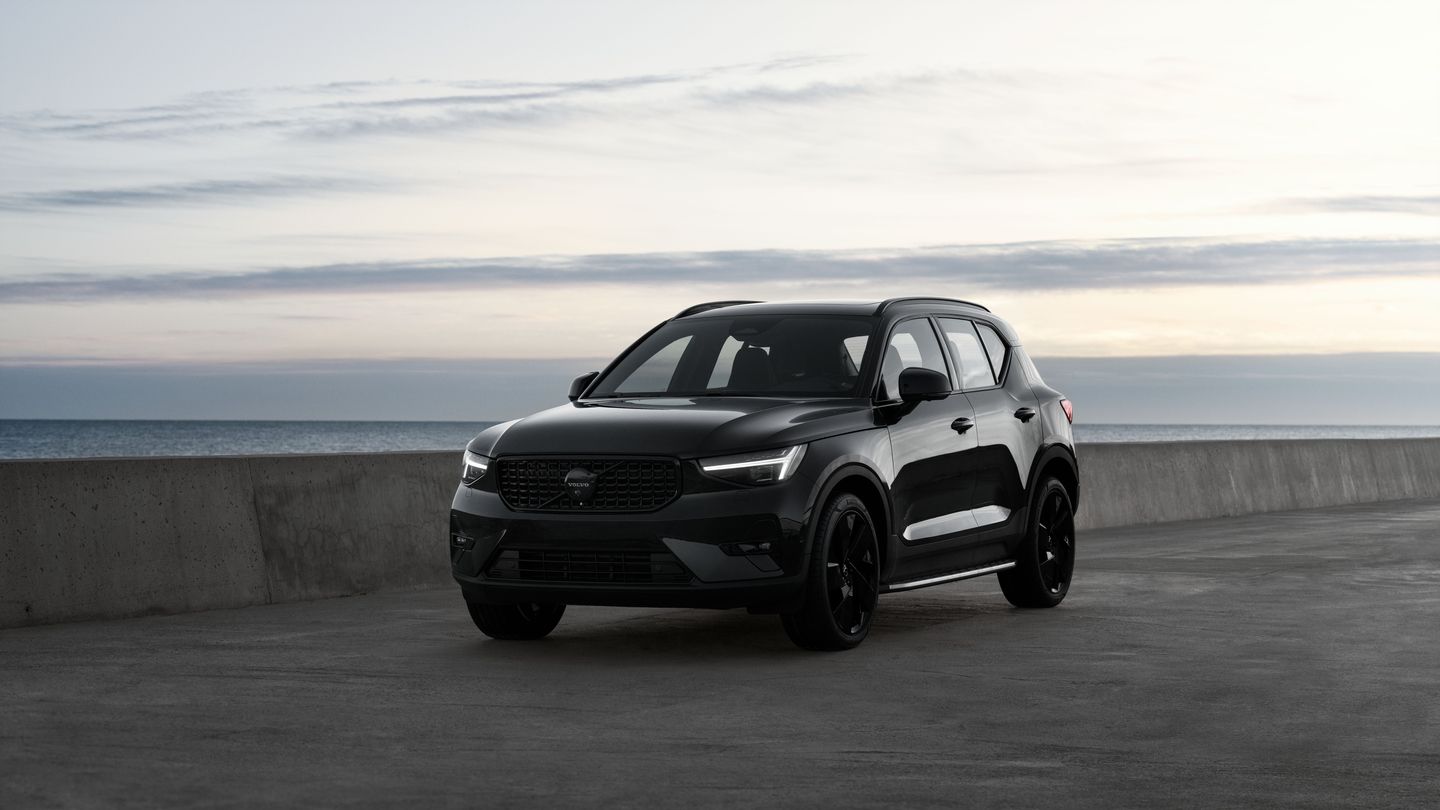
Comparing Compact Luxury SUVs This Fall With a 2026 Volvo XC40 Checklist
Fall commutes mean wet leaves, early darkness and a lot of stop-and-go. That is a good time to sort a compact luxury SUV shortlist by what you will...
Read more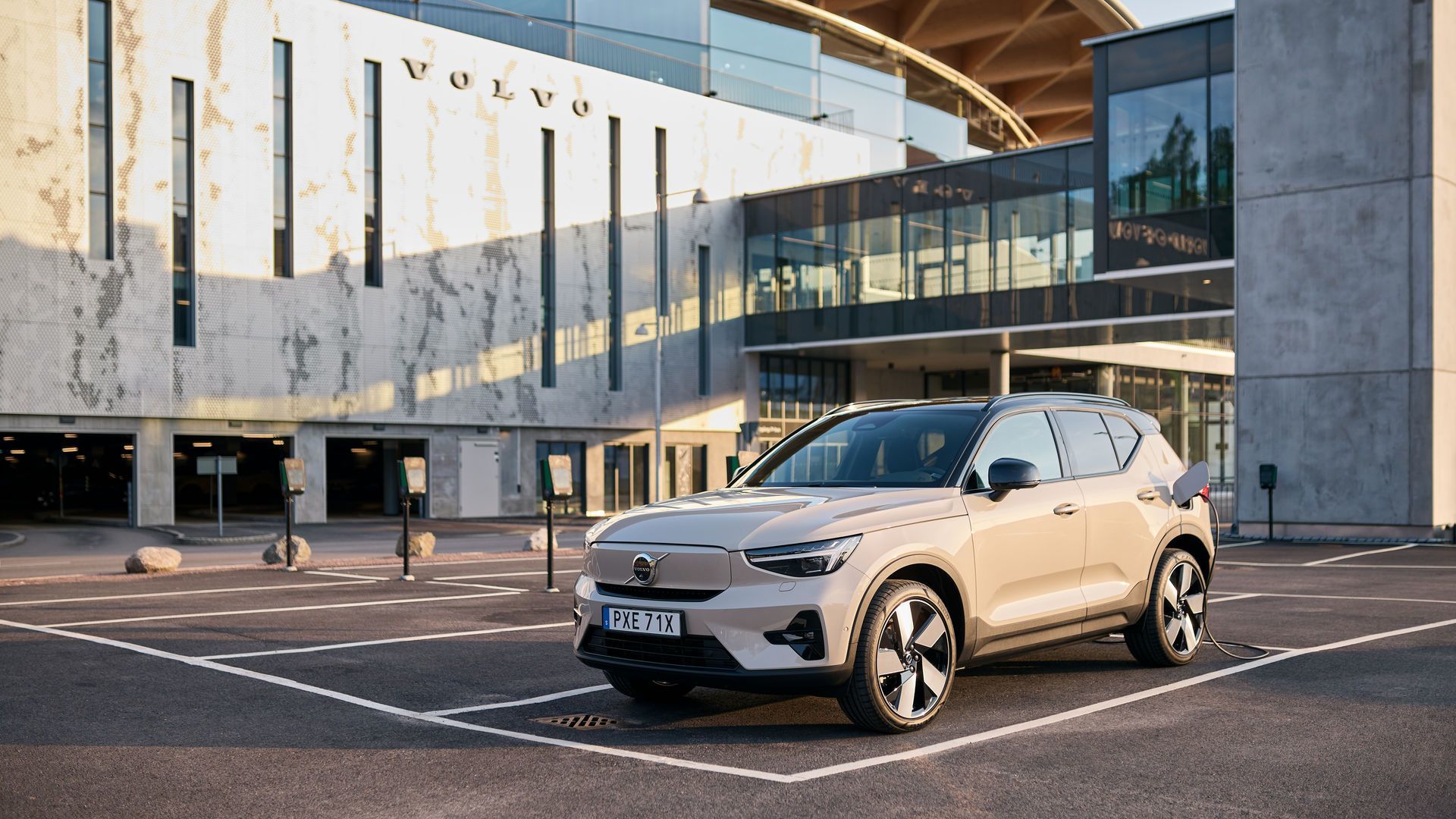
Pixel Technology Headlights for Darker Ontario Evenings in the 2026 Volvo EX40
The clocks have gone back and the commute home now starts in fading light. For Ontario drivers weighing the 2026 Volvo EX40, headlight equipment...
Read morePowered and developed by
